

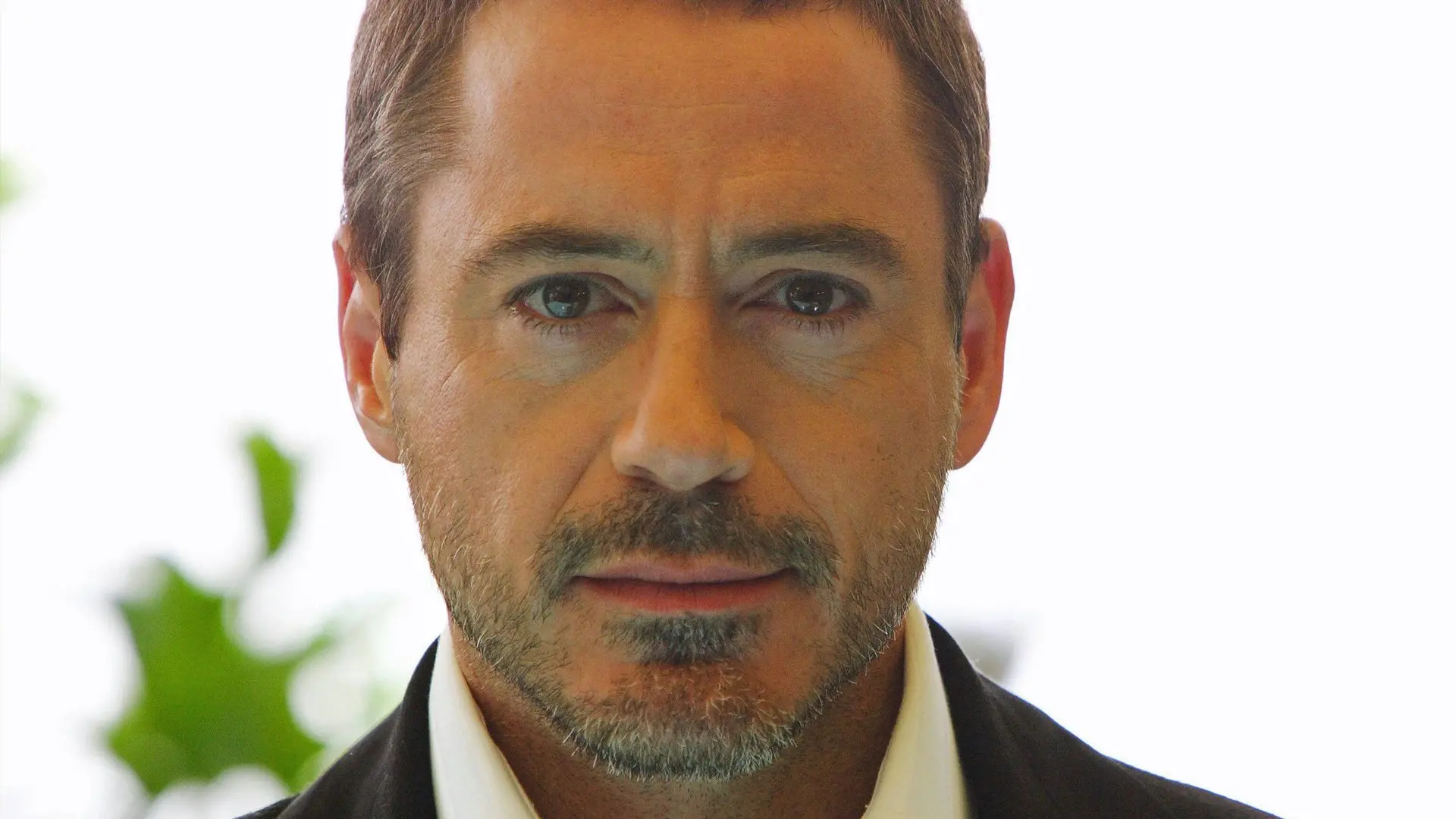
The Marvel Cinematic Universe, known today as the most successful film franchise in history, began with a single bold decision: casting Robert Downey Jr. as Tony Stark, the genius billionaire who becomes Iron Man. But according to David Maisel, one of the co-founders of Marvel Studios, that decision was met with fierce resistance from the board. In an interview with The New Yorker, Maisel revealed that the board thought he was crazy for wanting to entrust the future of the company to a 'drug addict.'
The Risk That Paid Off
Robert Downey Jr. had a tumultuous past. Before the MCU, he was known not only for acclaimed performances in films like Chaplin, Short Cuts, and Natural Born Killers but also for a series of drug-related arrests and legal troubles. His career had hit rock bottom in the late 1990s and early 2000s. Yet, Jon Favreau, the director of the first Iron Man film, believed Downey Jr. was perfect for the role. Favreau saw a man who had battled his demons and was ready for a second chance. Meanwhile, Maisel had to convince the board, which was not impressed by Downey's past.
'My board thought I was crazy to put the future of the company in the hands of a drug addict,' Maisel stated. 'I made it clear to them how well he suited the role. We all had confidence that he was clean and would stay that way.' That leap of faith not only restored Downey Jr.'s career but also launched a multi-billion-dollar universe.
The Casting Process
The role of Iron Man could have gone to Timothy Olyphant, known for his work in Deadwood and Justified. The studio had two finalists, and Olyphant was considered a safer choice. However, Favreau and Maisel pushed for Downey Jr., arguing that his real-life journey mirrored Tony Stark's—a man of immense talent who had to overcome his own flaws. In the end, Downey's screen test won everyone over. His improvisation and charisma made it clear he was born to play the role.
Once cast, Downey Jr. immersed himself in the character. He studied the comic books, worked out to fill the Iron Man suit, and brought a level of vulnerability and wit that made Tony Stark instantly iconic. The gamble turned Iron Man into a box office hit in 2008, grossing over $585 million worldwide and setting the stage for the entire MCU.
Impact on the MCU
Robert Downey Jr. went on to appear in ten MCU films, making him one of the most frequent stars in the franchise. Only Don Cheadle (as War Machine) and Samuel L. Jackson (as Nick Fury) have appeared more times, with 11 and 14 appearances respectively (including future projects). Downey Jr.'s performance as Iron Man became the emotional core of the MCU, culminating in his heroic sacrifice in Avengers: Endgame (2019). His final line, 'I am Iron Man,' echoed his first, closing a perfect arc.
The casting decision also changed perceptions of superhero casting. At the time, casting a known actor for a superhero role was not the norm. Downey Jr.'s salary structure—tied to the film's success—proved lucrative for both him and Marvel. His comeback story inspired many and demonstrated that redemption is possible through hard work and talent.
Robert Downey Jr.'s Career Highlights
Before Iron Man, Downey Jr. had already proven his acting chops in diverse roles. He earned an Academy Award nomination for Chaplin (1992), starred in Robert Altman's Short Cuts (1993), and delivered a chilling performance in Natural Born Killers (1994). However, his personal life overshadowed his professional achievements. His first stint in rehab came in 1996, and he faced multiple arrests. By 2001, he was fired from the TV series Ally McBeal due to drug problems. It seemed his career was over.
But Downey Jr. did not give up. He went to court-ordered rehab and slowly rebuilt his reputation through smaller roles in films like Kiss Kiss Bang Bang (2005) and Zodiac (2007). Favreau saw Kiss Kiss Bang Bang and realized that Downey had the perfect mix of charm and edge for Tony Stark. That film became his audition.
Legacy and Future
Robert Downey Jr.'s portrayal of Iron Man remains the gold standard for superhero casting. His interpretation influenced how Marvel approached future characters, emphasizing star power and character depth. The success of Iron Man allowed Marvel Studios to take risks on other lesser-known heroes like Thor, Captain America, and the Guardians of the Galaxy. Without Downey Jr. saying 'I am Iron Man' in a cave, the MCU might never have reached its global dominance.
Even after his character's death, Downey Jr.'s presence looms large. He has since moved on to other projects, including the Dolittle remake and the upcoming Oppenheimer (which won him a Golden Globe). But fans still hope for a return, perhaps through multiverse storylines. In the meantime, his legacy as the founding hero of the MCU is secure.
David Maisel's confession sheds light on a pivotal moment in cinema history. It took a maverick like him and a visionary like Favreau to see past the tabloid headlines and recognize the star waiting to be reborn. The rest, as they say, is history.
Source: KINO News