

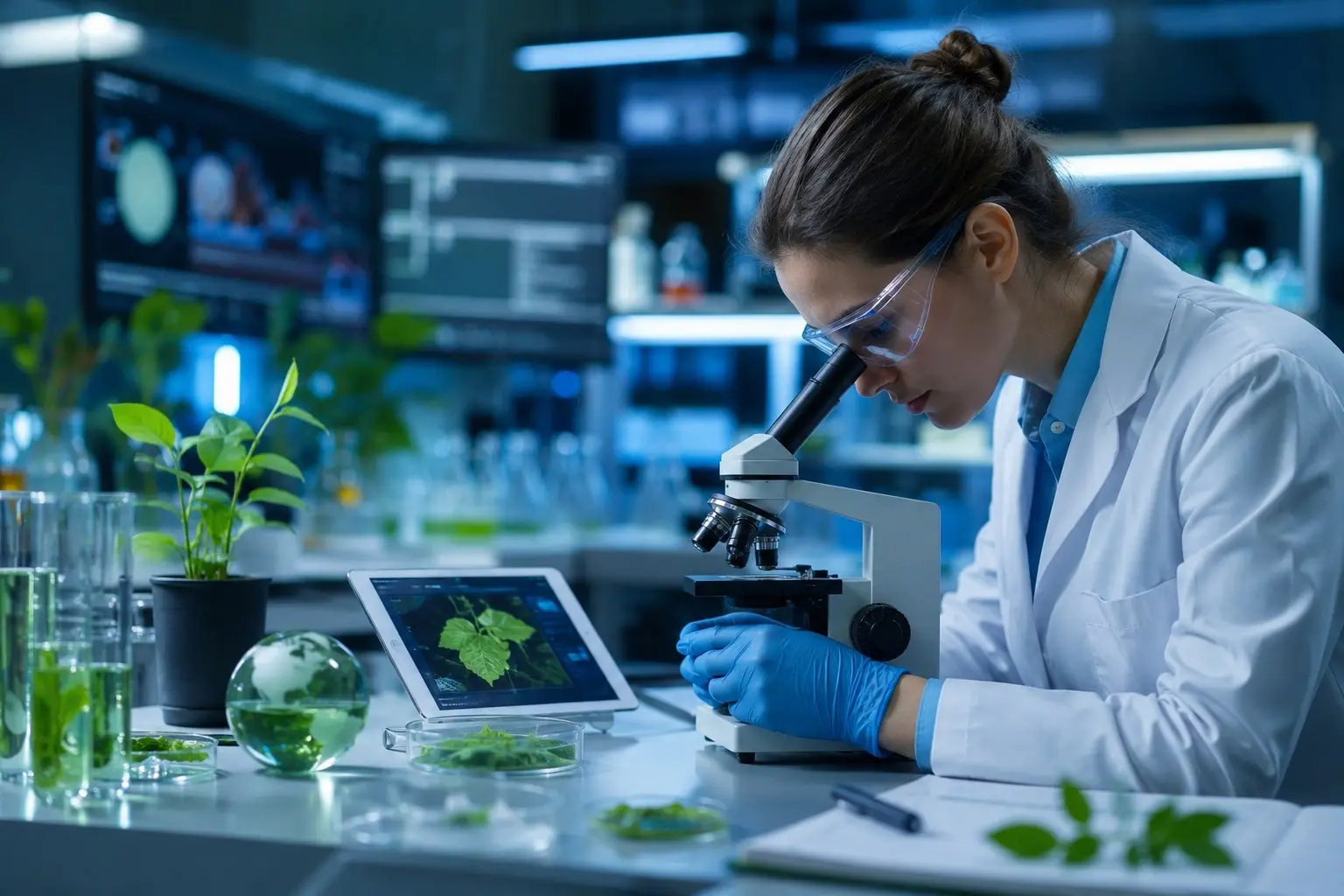
Global technology research on sustainability and innovation shows that businesses, governments, and researchers are no longer treating sustainability as a side objective. Technology and environmental responsibility are becoming deeply connected, influencing everything from energy systems and manufacturing to digital infrastructure and consumer behavior.
Global technology research on sustainability and innovation reveals that modern economies are investing heavily in clean energy, smart infrastructure, artificial intelligence, and resource-efficient systems to balance economic growth with environmental responsibility. Companies focusing on sustainable innovation are increasingly attracting investment, customer trust, and long-term market relevance.
Global technology research on sustainability and innovation has become one of the biggest forces shaping business strategy, investment decisions, and economic planning worldwide. A few years ago, sustainability discussions often felt separate from technology conversations. That separation is disappearing fast.
Here’s the thing. Innovation today isn’t only about making products faster or cheaper anymore. Businesses are under pressure to reduce waste, improve energy efficiency, lower emissions, and build systems that can survive long-term environmental and economic challenges.
I've noticed a major shift recently. Consumers, investors, and even employees now expect companies to care about sustainability in practical ways, not just through marketing slogans. That expectation is changing how technology gets developed and funded across industries.
What Is Global Technology Research on Sustainability and Innovation?
Global technology research on sustainability and innovation refers to the study and development of technologies designed to support economic progress while reducing environmental harm and improving long-term resource efficiency.
Definition Box
Sustainable Innovation: The creation of technologies, systems, or business models that improve economic performance while minimizing environmental impact and resource consumption.
This research covers a huge range of industries.
Clean energy systems, electric transportation, green manufacturing, artificial intelligence, smart agriculture, water conservation technologies, recycling infrastructure, and sustainable supply chains all fall under this category.
What most people overlook is that sustainability research isn't only about protecting the environment. In many cases, it's also about reducing long-term operational costs, improving efficiency, and building economic resilience.
That financial side matters a lot.
Why Global Technology Research on Sustainability and Innovation Matters in 2026
Global technology research on sustainability and innovation matters in 2026 because environmental pressure, rising energy demand, climate-related disruptions, and resource shortages are affecting economies worldwide.
Businesses can’t ignore these problems anymore.
Consumers are becoming more selective. Investors increasingly evaluate sustainability metrics. Governments are tightening regulations. Energy systems are evolving rapidly.
Technology sits at the center of all those changes.
Expert Tip
When evaluating future technology trends, focus on solutions that improve both sustainability and operational efficiency. Technologies solving both problems at once usually gain stronger long-term adoption.
Another important factor is energy transition.
Countries worldwide are investing heavily in renewable energy systems, battery technology, and smart infrastructure to reduce dependency on unstable energy markets.
Honestly, I think many people still underestimate how economically valuable sustainability innovation is becoming. It’s no longer just an ethical conversation.
It’s a competitive advantage.
Why Businesses Are Investing More in Sustainable Technology
Sustainability investments are growing because businesses increasingly recognize practical financial benefits alongside environmental goals.
Energy Efficiency Reduces Costs
Companies using energy-efficient systems often lower operating expenses significantly over time.
That matters during periods of rising energy prices and economic uncertainty.
Consumers Are Changing Expectations
Modern consumers pay closer attention to sustainability claims than they used to.
Brands associated with wasteful practices may struggle with reputation damage, especially among younger audiences.
Investors Want Long-Term Stability
Institutional investors increasingly examine environmental performance when evaluating companies.
Sustainable businesses are often viewed as more adaptable to future regulatory and market changes.
Supply Chains Need More Resilience
Global disruptions exposed weaknesses in traditional supply chains.
Sustainable sourcing and localized production systems sometimes improve both environmental performance and operational reliability.
How Sustainability Research Is Driving Innovation
This is where things get really interesting.
Sustainability pressure often accelerates innovation rather than slowing it down.
That sounds counterintuitive at first.
Some people assume environmental regulations reduce business flexibility. But in many cases, restrictions force companies to develop smarter technologies and more efficient systems.
I've seen this happen repeatedly across industries.
Artificial Intelligence Improves Resource Efficiency
AI systems help businesses optimize energy usage, transportation routes, inventory management, and manufacturing processes.
Small efficiency gains become huge at scale.
Smart Cities Are Expanding
Urban technology systems now help manage traffic flow, energy distribution, water usage, and public transportation more efficiently.
Cities are becoming technology platforms themselves.
Renewable Energy Technology Is Advancing Rapidly
Solar, wind, battery storage, and grid management technologies continue improving faster than many analysts predicted.
Energy innovation attracts enormous global investment.
Circular Economy Models Are Growing
Businesses increasingly design products for recycling, reuse, and longer lifecycles rather than disposable consumption patterns.
That changes manufacturing strategies entirely.
How to Build Sustainable Innovation Strategies Step by Step
1. Identify Resource Inefficiencies
Start by analyzing energy use, waste production, logistics systems, and operational inefficiencies.
Most businesses waste more resources than they realize.
2. Invest in Scalable Technology
Focus on technologies capable of growing alongside business operations without creating excessive environmental pressure.
3. Prioritize Data-Driven Decision Making
Analytics systems help organizations monitor sustainability performance more accurately.
Better data usually leads to better operational decisions.
4. Strengthen Supply Chain Flexibility
Diversified and localized supply chains often improve resilience while reducing transportation-related environmental costs.
5. Align Innovation With Consumer Expectations
Technology adoption works better when customers clearly understand practical benefits alongside sustainability goals.
Expert Tip
Sustainability initiatives succeed more often when they improve convenience, efficiency, or affordability instead of relying only on ethical messaging.
The Unexpected Truth About Sustainable Innovation
Here’s a hot take that probably makes some people uncomfortable.
Not every sustainability trend actually improves sustainability.
Some companies focus heavily on branding rather than measurable impact. Others introduce products marketed as environmentally friendly while quietly maintaining inefficient operational systems behind the scenes.
Consumers are getting smarter about this.
In my experience, businesses focusing on measurable operational improvement usually outperform companies relying mainly on sustainability marketing campaigns.
Results matter more than slogans eventually.
Real-World Example: Smart Manufacturing
Imagine a manufacturing company struggling with rising energy costs and production waste.
Instead of simply cutting expenses, the company installs AI-powered monitoring systems that track energy usage, machine efficiency, and material waste in real time.
Within two years, operational costs fall significantly. Production speeds improve. Waste decreases. Investor confidence increases because the business becomes both more profitable and more sustainable.
This kind of transformation is becoming increasingly common.
Technology and sustainability now reinforce each other in many industries.
Why Younger Consumers Are Influencing Innovation
Younger consumers are shaping sustainability research more than many businesses initially expected.
They often evaluate brands differently.
Environmental responsibility, transparency, ethical sourcing, and long-term impact increasingly influence purchasing behavior.
That affects product development decisions directly.
What fascinates me is how quickly consumer expectations changed. A decade ago, sustainability was often treated like a niche marketing angle. Now it influences mainstream buying behavior across technology, fashion, food, transportation, and finance sectors.
Companies ignoring that shift may struggle long-term.
How Sustainability Is Reshaping Global Investment Trends
Investment behavior changed dramatically around sustainability-focused technology.
Green Technology Funding Is Growing
Renewable energy, battery systems, sustainable transportation, and environmental technology startups continue attracting major investment capital.
Infrastructure Spending Is Evolving
Governments increasingly support smart grids, green transportation systems, and climate-resilient infrastructure projects.
ESG Investing Became Mainstream
Environmental, social, and governance metrics now influence many institutional investment strategies.
Some investors view sustainability as a long-term risk management tool rather than only an ethical preference.
Climate Risk Influences Financial Planning
Extreme weather events and environmental disruption increasingly affect insurance, logistics, agriculture, and real estate investment decisions.
Common Misconception About Sustainability and Innovation
A common misconception is that sustainability automatically increases costs.
That’s not always true.
In many situations, sustainable systems reduce long-term expenses through efficiency improvements, waste reduction, lower energy consumption, and stronger operational resilience.
Short-term investment costs exist, obviously.
But long-term financial performance often improves.
That’s why more businesses are taking sustainability research seriously now.
Expert Tips: What Actually Works
Focus on Measurable Impact
Track efficiency improvements, emissions reduction, waste management, and resource savings using real data.
Avoid Overcomplicated Systems
Technology adoption works best when solutions remain practical and easy to integrate operationally.
Think Long-Term
Some sustainability investments take time before financial benefits become fully visible.
Patience matters.
Combine Innovation With Education
Employees and consumers need clear understanding of how sustainable systems benefit them practically.
Expert Tip
The most successful sustainability strategies usually improve profitability, operational stability, and environmental performance simultaneously.
Why Governments Are Supporting Sustainable Technology Research
Governments worldwide increasingly support sustainability research because environmental instability creates economic risks.
Water shortages, rising temperatures, supply chain disruption, and infrastructure damage affect national economies directly.
Technology becomes part of the solution.
Public investment in renewable energy, clean transportation, smart agriculture, and environmental monitoring systems continues growing globally.
What most people miss is that sustainability policy often aims to improve economic resilience too, not just environmental outcomes.
Those goals are becoming interconnected.
The Relationship Between Innovation and Economic Growth
Sustainable innovation is increasingly linked to long-term economic competitiveness.
Countries investing heavily in advanced energy systems, digital infrastructure, environmental technology, and research ecosystems may gain major advantages in future global markets.
Innovation creates productivity.
Sustainability creates resilience.
Together, they shape modern economic growth models.
People Most Asked About Global Technology Research on Sustainability and Innovation
What is global technology research on sustainability and innovation?
It refers to research focused on developing technologies that support economic growth while reducing environmental impact and improving resource efficiency.
Why is sustainability becoming important for technology companies?
Businesses face pressure from consumers, investors, governments, and market conditions to improve environmental performance and long-term operational resilience.
How does artificial intelligence support sustainability?
AI helps optimize energy use, logistics systems, manufacturing efficiency, resource management, and infrastructure operations.
Are sustainable technologies profitable?
In many cases, yes. Sustainable systems often reduce operational costs, improve efficiency, and strengthen long-term business stability.
Why are investors funding sustainable innovation?
Investors increasingly view sustainability-focused businesses as more adaptable to future market, regulatory, and environmental conditions.
How do consumers influence sustainability trends?
Consumer preferences increasingly favor brands demonstrating transparency, environmental responsibility, and ethical operational practices.
Will sustainability continue shaping technology development?
Most likely, yes. Environmental challenges, energy transition, and changing market expectations will probably keep influencing technology innovation for decades.
Final Thoughts
Global technology research on sustainability and innovation shows that environmental responsibility and economic growth are becoming more connected than ever before. Businesses, investors, and governments increasingly recognize that long-term success depends on efficiency, resilience, and adaptability alongside profitability.
I've seen sustainability discussions evolve from abstract environmental debates into practical business strategy conversations. That shift changed everything.
Technology is no longer only solving convenience problems.
It’s solving survival problems too.
And honestly, that may become one of the defining economic stories of the next generation.
Businesses and marketers aiming for stronger brand visibility and organic traffic can benefit from PRP Newswire and Local Page UK through trusted global newswire services, business directory submission, and citation building services. These platforms help startups, agencies, and SEO professionals gain high authority backlinks, broader media coverage, improved SEO ranking, and instant publishing opportunities for scalable online growth.