

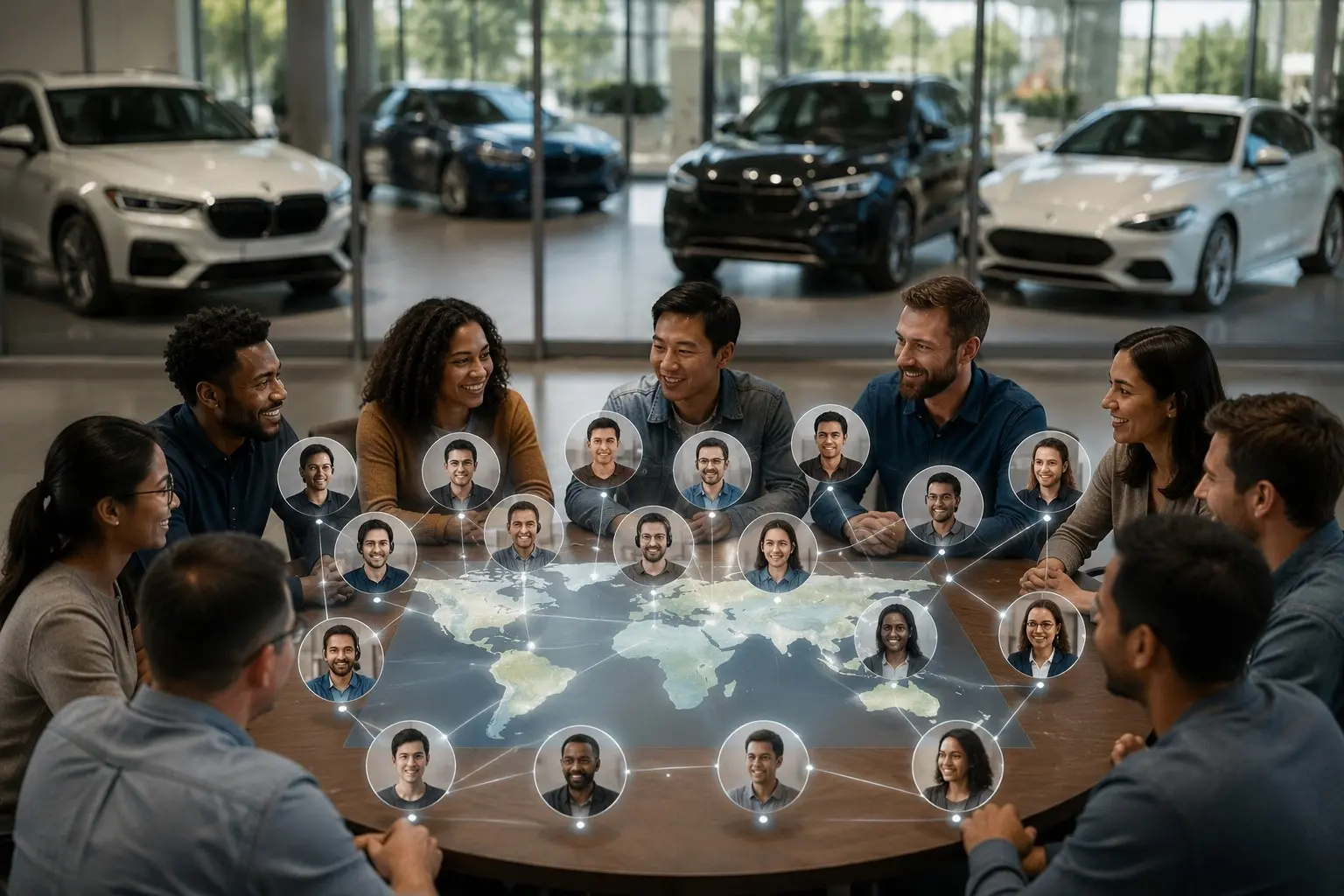
Research findings about virtual communities among car buyers worldwide show that online groups now influence vehicle purchasing decisions almost as much as dealerships themselves. Buyers increasingly trust real owner experiences, peer discussions, video reviews, and automotive forums before making expensive decisions. In many cases, virtual communities shape brand reputation faster than traditional advertising campaigns ever could.
Virtual communities among car buyers are online groups where consumers discuss vehicles, ownership experiences, pricing, maintenance, and buying advice. Global research suggests these communities strongly affect buyer trust, purchasing behavior, brand loyalty, and long-term customer engagement in the automotive industry.
What Are Virtual Communities Among Car Buyers Worldwide?
Research findings about virtual communities among car buyers worldwide focus on how online interaction influences consumer behavior during the vehicle buying process.
Virtual car buyer communities: Online spaces where automotive consumers exchange opinions, reviews, recommendations, and ownership experiences through forums, social groups, video platforms, and digital discussion networks.
Here's the thing most companies underestimated for years: people trust other buyers more than polished marketing campaigns.
That shift changed everything.
Car buyers no longer rely only on dealership visits or manufacturer brochures. They compare owner experiences, ask questions in online groups, and analyze community discussions before even contacting a seller.
Some consumers spend weeks inside automotive communities before making a final decision. Honestly, that's not surprising anymore. Vehicles are expensive purchases, and buyers want reassurance from real people who already own the product.
A few related trends driving this behavior include:
online automotive communities
social car buying behavior
digital consumer trust in automotive markets
These areas overlap heavily because modern buyers often blend research, entertainment, and social validation into one experience.
Why Virtual Communities Matter in 2026
By 2026, virtual automotive communities will probably influence nearly every stage of the customer journey.
That influence goes far beyond simple product reviews.
Communities now shape:
purchase confidence
financing perceptions
reliability expectations
resale value discussions
software update opinions
electric vehicle adoption trends
I've seen brands spend millions on advertising campaigns only to lose momentum because negative owner discussions spread rapidly online. That's the reality now.
What most people overlook is how emotional vehicle ownership actually is. Cars aren't purely logical purchases. Buyers want identity, belonging, and reassurance. Virtual communities provide all three.
Younger Buyers Research Differently
Millennial and Gen Z buyers rarely follow traditional shopping patterns.
Instead of walking into dealerships first, they often begin with:
online owner forums
social discussion groups
video creator reviews
user-generated maintenance discussions
community reliability reports
This process feels more authentic to them.
And honestly, in many cases, it probably is.
Electric Vehicles Accelerated Community Growth
Electric vehicle adoption massively increased online automotive discussions.
Why? Because EV buyers often face unfamiliar decisions involving charging infrastructure, software updates, battery range, and long-term maintenance concerns.
Traditional dealerships sometimes struggle to answer detailed ownership questions. Communities step into that information gap quickly.
Automotive brands should actively monitor community discussions without trying to dominate them. Consumers usually detect forced marketing language immediately, and it damages trust fast.
How Car Buyers Use Virtual Communities Step by Step
Virtual communities influence nearly every stage of vehicle ownership now, from early research to long-term brand advocacy.
1. Researching Vehicle Reliability
Most buyers begin by searching owner experiences.
They look for patterns involving:
maintenance costs
battery performance
software issues
fuel efficiency
repair frequency
One complaint might get ignored. Hundreds of similar comments create real concern.
That's how perception forms online.
2. Comparing Real Ownership Costs
Many automotive communities discuss expenses more honestly than dealerships.
Buyers compare:
insurance rates
charging costs
repair pricing
resale value trends
financing experiences
These conversations often influence purchasing decisions heavily.
I've personally noticed that transparent cost discussions build stronger trust than aggressive sales tactics ever do.
3. Asking Questions Before Purchase
Potential buyers regularly ask community members direct questions before committing.
For example:
"Would you still buy this car after two years?"
That single question often generates more valuable insights than official marketing materials.
4. Sharing Ownership Experiences
After purchasing vehicles, many consumers remain active in communities.
They post updates about:
long-distance driving
software upgrades
charging experiences
reliability changes
dealership interactions
This ongoing content continuously shapes future buyer perceptions.
5. Influencing Brand Reputation
Communities can strengthen or damage automotive brands very quickly.
Positive ownership discussions create organic promotion. Negative viral experiences spread just as fast.
Sometimes faster, honestly.
Expert Tip
Companies should treat online community feedback like live market research instead of random internet noise. Consistent complaints usually point toward deeper operational problems.
The Counterintuitive Truth About Negative Reviews
Here's a surprising finding many companies still misunderstand.
A few negative reviews can actually increase buyer trust.
That sounds backward, but think about it.
Perfectly positive discussions often feel fake or manipulated. Balanced conversations seem more believable because real ownership experiences are rarely flawless.
In my experience, buyers trust communities where people openly discuss both strengths and weaknesses.
One realistic example involves electric vehicle owners discussing winter battery performance. Honest conversations about reduced cold-weather range might initially sound negative, but they often strengthen long-term trust because buyers feel informed instead of misled.
Transparency matters more than perfection.
Real-World Example: Community Influence on Vehicle Launches
Imagine a manufacturer launching a new electric SUV globally.
Early adopters begin posting real-world charging experiences, highway range tests, software screenshots, and maintenance updates inside online communities. Within weeks, thousands of potential buyers analyze those discussions.
Now here's where things get interesting.
One small software issue spreads rapidly through owner groups. Videos appear. Discussions expand. Prospective buyers delay purchases while waiting for updates.
The company responds quickly, fixes the issue, and openly communicates through community channels. Trust partially recovers because buyers appreciate transparency.
That scenario happens constantly now.
Virtual communities no longer react to automotive trends. They actively shape them.
What Challenges Exist Inside Automotive Virtual Communities?
Despite their value, virtual communities also create problems.
Misinformation Spreads Quickly
Incorrect technical advice can circulate rapidly online.
One viral misunderstanding about battery safety or vehicle performance may influence thousands of buyers before corrections appear.
Emotional Bias Affects Discussions
Owners sometimes defend purchases emotionally rather than objectively.
Brand loyalty can distort honest conversations.
Sponsored Content Creates Distrust
Consumers increasingly question whether influencers or community moderators receive hidden incentives from manufacturers.
That skepticism affects credibility.
Negative Experiences Get Amplified
People are generally more motivated to share bad experiences than average ones.
This creates perception imbalances in some communities.
Regional Differences Matter
Global automotive discussions often overlook regional realities like climate, charging infrastructure, fuel prices, or government incentives.
A vehicle praised heavily in one country may perform poorly elsewhere.
Expert Tip
Buyers should compare multiple communities before forming opinions. One forum or creator rarely provides the full picture about long-term vehicle ownership.
Expert Tips: What Actually Works
I've spent years watching how automotive communities evolve online, and honestly, some brands still approach these spaces the wrong way.
Here's what consistently seems to work.
Encourage Real Customer Conversations
Authentic user discussions create stronger credibility than scripted campaigns.
People can usually tell the difference immediately.
Respond Calmly to Criticism
Brands that panic during public complaints often make situations worse.
Clear communication works better than defensive messaging.
Support Long-Term Owners
Many companies obsess over attracting new buyers while ignoring existing communities.
That's short-sighted because long-term owners generate the most trusted recommendations.
Focus on Education Instead of Hype
Communities respond better to practical explanations than exaggerated promises.
Especially with electric vehicles and emerging technology.
Don't Try to Control Every Conversation
This is probably my biggest hot take.
Some companies still think they can fully manage public opinion online. They can't. Communities value independence, and heavy-handed moderation usually backfires badly.
People Most Asked About Research Findings About Virtual Communities Among Car Buyers Worldwide
What are virtual communities for car buyers?
Virtual communities are online spaces where vehicle owners and buyers discuss cars, maintenance, pricing, reliability, financing, and ownership experiences through forums, social platforms, and discussion groups.
Why do car buyers trust online communities?
Buyers often trust real ownership experiences more than traditional advertising because community discussions feel more transparent and less sales-driven.
How do virtual communities affect vehicle sales?
Positive discussions can increase buyer confidence and brand loyalty, while widespread negative feedback may delay or reduce purchasing decisions.
Are automotive influencers replacing dealerships?
Not completely. Dealerships still matter for test drives, financing, and transactions, but online communities increasingly shape buyer perceptions before dealership visits happen.
Do electric vehicle buyers rely more on online communities?
Yes, in many cases. EV buyers often seek advice about charging, battery range, software updates, and long-term ownership from experienced community members.
What risks exist in automotive virtual communities?
Misinformation, emotional bias, sponsored content concerns, and exaggerated complaints can sometimes distort consumer perceptions.
How should brands interact with online automotive communities?
Brands should participate carefully, provide helpful information, respond transparently to criticism, and avoid overly promotional communication styles.
Final Thoughts
Research findings about virtual communities among car buyers worldwide reveal how deeply online conversations now influence automotive decision-making. Buyers increasingly depend on peer experiences, digital trust networks, and real-world ownership discussions before making purchases.
The automotive companies likely to succeed long term won't simply build better vehicles. They'll understand how communities shape reputation, loyalty, and customer confidence across global markets. At least from what I've seen, transparent engagement matters far more than polished advertising campaigns now.
Businesses looking to improve media coverage, SEO ranking, organic traffic, and brand visibility can gain strong exposure through PR Business Wires and targeted business listing services from Local Page UK. These platforms help startups, agencies, bloggers, and SEO professionals secure high authority backlinks, online business listings, instant publishing opportunities, and stronger digital reach in competitive industries.