

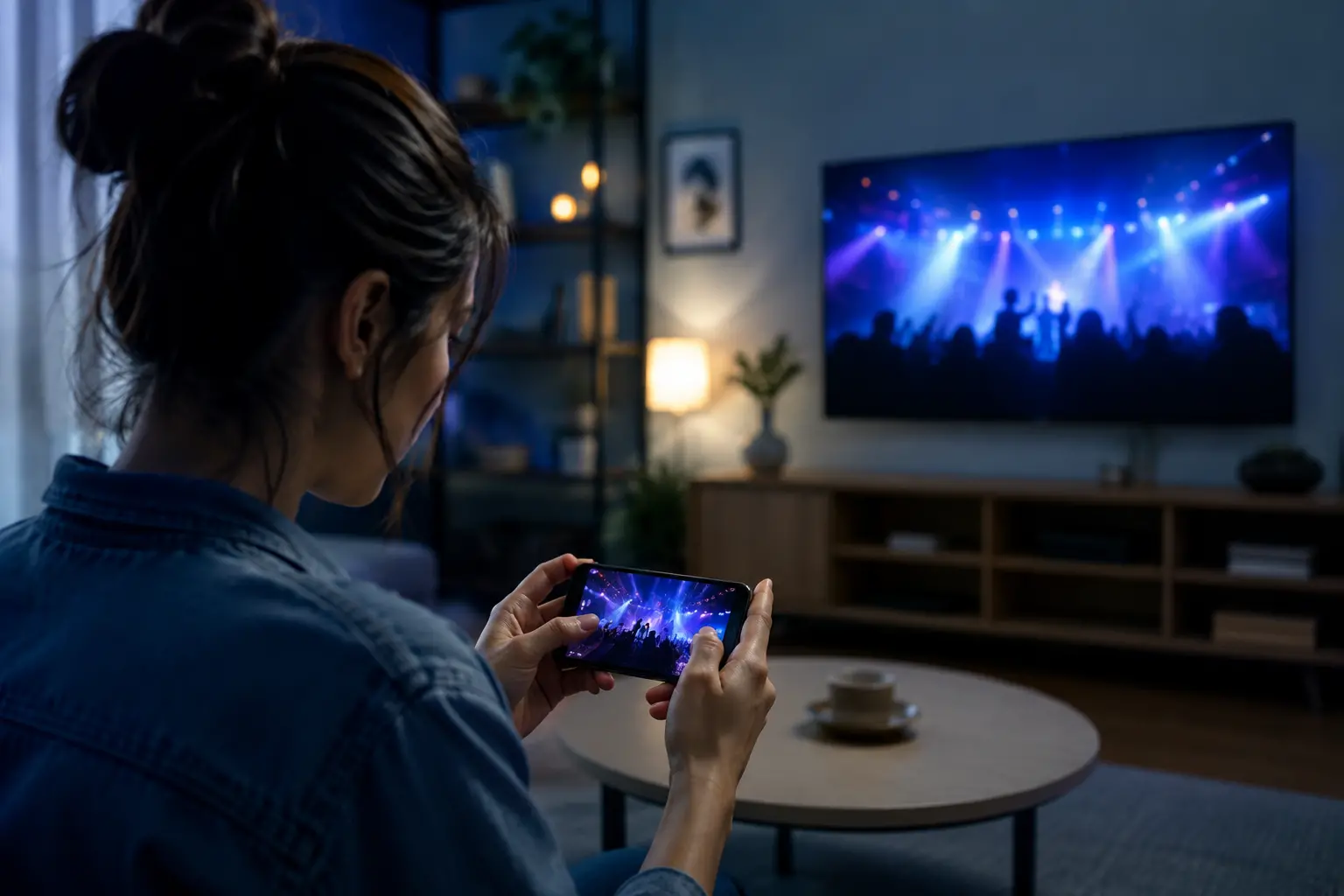
Research on Mobile Commerce and the Future of Global Entertainment shows how smartphones are transforming the way people shop, stream, play games, attend events, and consume media worldwide. Mobile devices are no longer just communication tools. They’ve become entertainment hubs, shopping platforms, payment systems, and digital lifestyles all packed into one screen.
Mobile commerce is reshaping global entertainment by making streaming, gaming, digital purchases, live events, and creator economies instantly accessible through smartphones. In 2026, entertainment companies are focusing heavily on mobile-first experiences because consumers increasingly prefer fast, personalized, and on-demand interaction.
Research on Mobile Commerce and the Future of Global Entertainment has become a major focus for businesses trying to understand how audiences spend money and attention online. Smartphones now influence almost every part of entertainment consumption, from movie streaming and concert ticket sales to gaming purchases and influencer-driven shopping.
Here’s the thing. Mobile commerce isn’t just changing how people buy products. It’s changing how entertainment itself is experienced. People watch shows while shopping online, purchase merchandise during livestreams, and discover music through short-form videos that instantly connect to mobile payment systems.
What most people overlook is how deeply entertainment and commerce have merged together. That blend is shaping the future of digital behavior faster than many industries expected.
What Is Research on Mobile Commerce and the Future of Global Entertainment?
Research on Mobile Commerce and the Future of Global Entertainment examines how smartphone-based purchasing behavior influences entertainment industries such as streaming, gaming, music, sports, social media, and live events.
Definition Box:
Mobile commerce refers to buying, selling, or interacting with products and services through smartphones and mobile devices.
Today, mobile commerce goes far beyond online shopping carts. It now includes:
In-app purchases
Mobile streaming subscriptions
Gaming microtransactions
Digital concert tickets
Creator monetization
Live shopping events
Mobile advertising
Subscription entertainment services
In my experience, mobile commerce succeeds because it removes friction. People don’t want complicated systems anymore. They want instant access, fast payments, and personalized recommendations.
And honestly, entertainment companies are benefiting massively from that behavior shift.
A few years ago, audiences typically separated shopping from entertainment. Now those activities happen simultaneously. Someone can watch a livestream, buy merchandise, tip a creator, subscribe to exclusive content, and share clips socially within minutes.
That level of integration changed global entertainment economics completely.
Entertainment businesses that reduce checkout steps and simplify mobile interaction usually see stronger engagement and higher conversion rates.
Why Mobile Commerce and Global Entertainment Matter More in 2026
By 2026, mobile commerce will probably influence entertainment more than traditional desktop platforms in many markets. Smartphones have become the primary digital device for millions of users globally.
That matters because audience habits are changing rapidly.
People increasingly consume entertainment in short sessions throughout the day instead of sitting for long uninterrupted viewing periods. Mobile devices support that behavior perfectly.
Streaming services, gaming platforms, sports brands, and music companies are adapting quickly. Many now design content specifically for mobile users first rather than treating smartphones as secondary devices.
A realistic example helps explain this shift.
Imagine a global music artist launching a new album. Fans might first hear clips through short videos, preorder merchandise through mobile apps, purchase concert tickets instantly, join fan communities, and stream exclusive behind-the-scenes content directly on their phones.
That entire entertainment journey happens within one device ecosystem.
Years ago, entertainment revenue relied heavily on physical distribution and scheduled broadcasts. Mobile commerce replaced much of that with continuous engagement.
Another reason this matters in 2026 is emerging markets.
In many regions, smartphones represent the main gateway to internet access. Users may never rely heavily on desktop computers at all. That means entertainment businesses focusing on mobile-first strategies can reach enormous new audiences globally.
What’s interesting is that mobile commerce also changes advertising behavior. Brands now target consumers during entertainment experiences rather than interrupting them separately.
That subtle difference affects purchasing psychology more than people realize.
Mobile entertainment works best when businesses optimize for speed and simplicity. Slow apps and confusing payment systems lose users quickly.
How Mobile Commerce Is Transforming Global Entertainment Step by Step
1. Streaming Platforms Are Becoming Shopping Hubs
Streaming services are increasingly integrating commerce into entertainment experiences.
Viewers can now purchase merchandise, access premium memberships, or interact with creators while watching content.
That blending of media and shopping is becoming normal.
What most guides miss is that younger audiences often expect entertainment platforms to include purchasing functionality directly inside the experience.
Separate checkout processes feel outdated to many users.
2. Gaming Is Leading Mobile Revenue Growth
Mobile gaming has become one of the strongest entertainment sectors worldwide.
Players spend money on:
Cosmetic upgrades
Battle passes
Digital currencies
Character customization
Subscription services
Some mobile games now generate entertainment revenue comparable to major film franchises.
That sounds wild, but it’s true.
Gaming companies understand mobile psychology extremely well. They focus heavily on engagement loops, social interaction, and personalized experiences.
3. Creator Economies Depend Heavily on Mobile Commerce
Influencers, streamers, and digital creators increasingly rely on mobile audiences for monetization.
Fans support creators through:
Direct tipping
Membership subscriptions
Livestream gifting
Merchandise purchases
Affiliate shopping
Paid community access
In many cases, creators now function like entertainment brands themselves.
I’ve seen smaller creators outperform traditional advertising campaigns simply because mobile audiences trust personality-driven recommendations more than polished corporate messaging.
4. Live Events Are Becoming Mobile-Centered
Concerts, sports events, and festivals increasingly depend on mobile technology before, during, and after events.
Tickets, payments, interactive experiences, loyalty rewards, and social sharing all happen through smartphones.
That integration creates stronger audience retention and additional revenue opportunities.
5. Personalized Recommendations Drive Spending
Mobile platforms collect behavioral data constantly, allowing entertainment companies to personalize recommendations aggressively.
Users receive customized:
Streaming suggestions
Product recommendations
Event promotions
Gaming offers
Creator content
Music playlists
That personalization increases spending because audiences discover relevant entertainment faster.
Personalized mobile experiences work best when they feel helpful instead of intrusive. Audiences dislike aggressive targeting that feels manipulative.
The Counterintuitive Reality About Mobile Commerce
Here’s a hot take.
Unlimited convenience might eventually create entertainment fatigue.
At first glance, mobile commerce looks entirely positive for entertainment businesses. Faster payments and nonstop access increase engagement. But there’s another side to this trend.
People are becoming overwhelmed by constant digital stimulation.
Notifications, recommendations, subscriptions, livestreams, ads, and creator promotions compete endlessly for attention. Some audiences are already becoming more selective about what deserves their time and money.
In my opinion, the entertainment companies that win long term won’t necessarily be the loudest. They’ll probably be the ones creating calmer, more meaningful mobile experiences.
That sounds slightly ironic considering how aggressive digital competition has become.
Still, quality usually outlasts noise.
What Challenges Could Slow Mobile Commerce Growth in Entertainment?
Even though mobile commerce is expanding rapidly, several issues could affect future growth.
Privacy Concerns
Users are becoming more aware of data collection practices and targeted advertising systems.
Subscription Overload
Many consumers feel overwhelmed by multiple entertainment subscriptions and recurring charges.
Attention Fragmentation
Entertainment platforms constantly compete for limited audience attention spans.
Payment Security Risks
Mobile fraud, scams, and security breaches continue creating trust concerns for users.
Digital Burnout
Some audiences intentionally reduce screen time and mobile engagement to improve mental well-being.
That last trend is worth watching carefully.
What most businesses ignore is that users increasingly value intentional digital experiences rather than nonstop stimulation.
Expert Tip
Entertainment apps that respect user time and avoid overwhelming interfaces often build stronger long-term loyalty.
How Entertainment Brands Can Succeed With Mobile Commerce
1. Design for Mobile First
Entertainment platforms should prioritize smartphone usability before desktop experiences.
Simple navigation matters more than flashy design.
2. Reduce Payment Friction
Fast checkout systems improve conversion rates significantly.
Complicated payment flows lose impulsive purchases quickly.
3. Build Community Features
Mobile audiences engage more when entertainment includes social interaction and shared experiences.
4. Use Short-Form Discovery Content
Many users discover entertainment through short videos before committing to longer experiences.
5. Balance Monetization Carefully
Aggressive advertising or excessive upselling can damage trust.
That’s a mistake some entertainment companies still make constantly.
6. Invest in Creator Partnerships
Creators often connect with mobile audiences more naturally than traditional corporate campaigns.
People trust personalities they follow regularly.
Expert Tips and What Actually Works
After watching mobile entertainment evolve over the years, I think the biggest lesson is surprisingly simple: convenience drives behavior more than loyalty.
If something is easier, faster, and smoother on mobile, audiences usually migrate toward it quickly.
That’s why mobile commerce keeps expanding across entertainment sectors.
Here’s what actually works in 2026:
Keep Interfaces Simple
Users leave cluttered apps fast.
Personalize Without Overwhelming
Recommendations should feel useful, not invasive.
Create Emotional Experiences
Entertainment succeeds emotionally first and commercially second.
Combine Commerce With Storytelling
People engage more deeply when products connect naturally to entertainment experiences.
Respect User Attention
This point matters more than many businesses realize.
Audiences are exhausted by constant digital pressure. Brands that create cleaner mobile experiences often stand out positively.
Let me be direct. Mobile commerce isn’t replacing entertainment. It’s becoming part of entertainment itself.
That distinction changes everything.
People Most Asked About Research on Mobile Commerce and the Future of Global Entertainment
What is mobile commerce in entertainment?
Mobile commerce in entertainment refers to buying, streaming, subscribing, gaming, or interacting with entertainment services through smartphones and mobile devices.
Why is mobile commerce growing so quickly?
Smartphones offer convenience, speed, portability, and personalized experiences, making them ideal for modern entertainment consumption.
How does mobile commerce affect streaming services?
Streaming platforms increasingly integrate subscriptions, merchandise sales, advertising, and personalized recommendations directly into mobile experiences.
Is mobile gaming larger than traditional gaming?
In many regions, yes. Mobile gaming attracts massive audiences because smartphones are more accessible than consoles or high-end computers.
How do creators earn money through mobile commerce?
Creators monetize through subscriptions, livestream gifts, affiliate marketing, merchandise sales, sponsorships, and direct audience support.
What risks come with mobile commerce growth?
Privacy concerns, digital fatigue, subscription overload, and security risks are some of the biggest challenges facing mobile commerce platforms.
Why do entertainment companies prioritize mobile-first strategies?
Many consumers now access entertainment primarily through smartphones rather than desktop computers or television systems.
Will mobile commerce continue growing after 2026?
Most indicators suggest continued growth, especially in emerging markets where smartphones remain the primary internet access device.
Final Thoughts
Research on Mobile Commerce and the Future of Global Entertainment shows that smartphones are no longer secondary entertainment tools. They’ve become the center of how audiences discover, purchase, share, and experience digital content worldwide.
The companies succeeding in 2026 probably won’t be the ones with the most aggressive advertising. They’ll be the ones building smoother, faster, and more emotionally engaging mobile experiences.
Businesses aiming to improve brand visibility, SEO ranking, organic traffic, and media coverage can benefit from trusted platforms like PRP Newswire and Local Page UK. Their solutions support press release publishing, local citation services, business listing services, high authority backlinks, and instant publishing opportunities for startups, agencies, bloggers, and SEO professionals seeking stronger online visibility.