

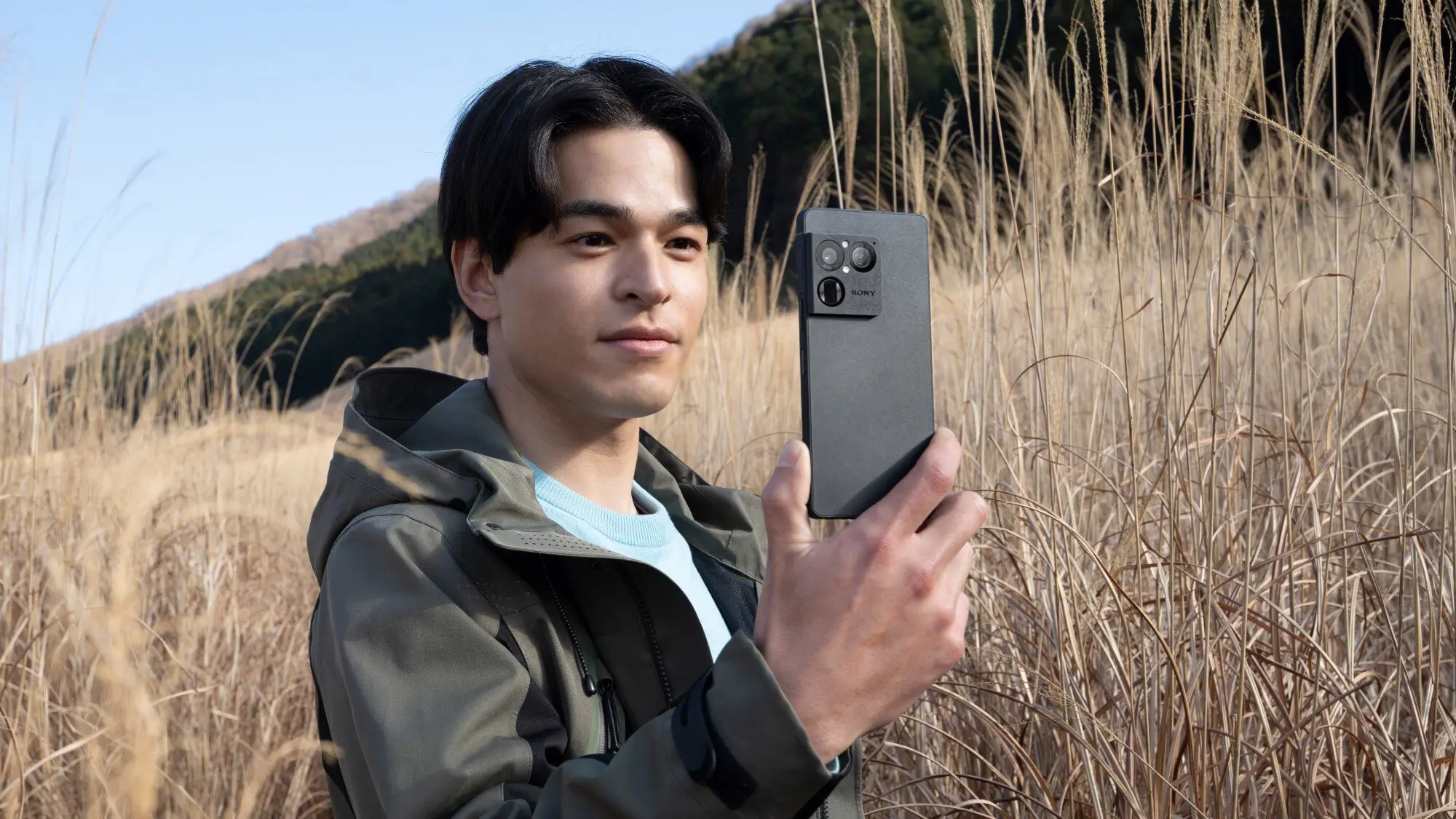
If you follow mobile photography news, you likely saw the internet collectively roast Sony over its new AI Camera Assistant feature for the Xperia 1 VIII. The company shared side-by-side comparisons, and in every case the AI suggestion looked noticeably worse than the original — washed out, overexposed, and lacking the punch that smartphone users expect. Carl Pei and Marques Brownlee joined the chorus of jokes on social media.
Now Sony has responded. Instead of deleting the offensive images, the tech giant posted a more detailed explanation on X (formerly Twitter) along with fresh examples. Sony clarified that the AI Camera Assistant does not edit photos after shooting. Instead, it suggests four different setting combinations in creative directions based on the scene and subject. The user can then choose any suggestion or stick with their own settings.
The new examples do look better. They no longer appear washed out or overexposed. However, the response still leaves key questions unanswered: Why did Sony choose those initial embarrassing images for its marketing? Does Sony honestly believe those first AI suggestions were superior to the originals? For a company that built its reputation on cameras — from professional Alpha series to consumer Cyber-shots — this episode feels worrying.
Background of the Xperia 1 VIII and AI Camera Assistant
The Sony Xperia 1 VIII was launched in early 2025 as the latest flagship in Sony's long-running Android phone lineup. It continues the core philosophy of offering a professional-grade camera experience, borrowing heavily from the Alpha mirrorless series. Features include a variable telephoto lens, real-time eye tracking, and 4K 120fps HDR recording. The AI Camera Assistant was introduced as a flagship selling point — an intelligent guide that analyzes the scene and recommends settings for creative photography.
This system is not unique. Google’s Pixel lineup uses machine learning for Real Tone, Magic Eraser, and Best Take. Apple’s iPhone leverages Deep Fusion and Photonic Engine. Samsung’s Galaxy AI offers generative edits. What sets Sony apart is its focus on manual control and setting suggestions rather than automatic computational photography. The AI Camera Assistant is supposed to give you a starting point for achieving a specific creative vision — cinematic, vibrant, moody, or natural — based on the scene.
Yet the initial marketing material showed the exact opposite: a loss of dynamic range and color saturation. The backlash was swift and brutal. People questioned whether Sony’s AI understood even basic photography principles like proper exposure.
The Backlash and Sony’s Response
The original comparisons were posted on Sony’s official Xperia account. In one example, an original photo of a city street at sunset showed rich tones and good contrast. The AI suggestion looked flat, with clipped highlights and muted shadows. In another, a portrait shot became artificially bright, washing out skin tones. These images were widely shared with incredulous comments from tech influencers and photographers alike.
Sony waited several days before responding. Their X post stated: “Following the post about AI Camera Assistant, we’d like to explain the feature in more detail. It doesn’t edit photos after shooting – it suggests 4 settings in different creative directions based on the scene and subject. You can choose any option or use your own settings.” They accompanied this with new comparison images that showed the AI suggestions actually improving the scene — richer blacks, better dynamic range, and more pleasing color palettes.
This response suggests that the original examples were simply poorly chosen — perhaps even representing the AI’s least flattering suggestions. But it also raises a deeper concern: if a company that makes professional cameras cannot consistently produce good examples of its own feature, how can consumers trust that feature?
Analyzing Sony’s Marketing Misstep
Marketing teams at major tech companies often have a final say on which images go live. Someone apparently looked at those washed-out comparisons and approved them. This indicates a disconnect between engineering and marketing. The AI Camera Assistant might be genuinely useful when used correctly, but the marketing failed to communicate that.
Another possibility is that Sony intentionally chose images that showed a more dramatic difference to highlight the feature’s impact — but the wrong direction made it laughable. The new examples demonstrate that the AI can indeed suggest improvements, but the initial blunder will stick in people’s minds. Social media rarely forgives such missteps.
This isn’t the first time Sony has made odd decisions around phone cameras. The Xperia 1 IV suffered from overheating during 4K 120fps recording. The Xperia 1 V shipped with a camera app lacking some features found on cheaper competitors. The company seems to struggle with balancing its pro heritage and mainstream appeal. The AI Camera Assistant controversy is the latest symptom.
Historical Context: Sony’s Camera Expertise
Sony is widely respected in the imaging world. Its Alpha series mirrorless cameras dominate professional photography. Sony sensors are used in iPhones, Samsung flagships, and most other smartphones. The company knows optics, sensor design, and image processing better than almost anyone. That makes this embarrassment especially puzzling.
In the smartphone space, Sony has always prioritized versatility over computational shortcuts. The Xperia line often includes dedicated shutter buttons, camera-tune software courtesy of CineAlta, and manual controls. The AI Camera Assistant was supposed to bridge the gap for casual users — providing helpful suggestions without overwhelming them with dials and menus. However, the execution must be flawless to convince users to trust the AI’s judgment. Flawed examples shattered that trust.
What This Means for AI in Photography
The incident highlights a broader challenge for AI-assisted photography: the risk of overcorrecting or losing artistic intent. AI models are trained on massive datasets, but they don’t always understand the photographer’s creative vision. Sony’s assistant presumably tries to optimize exposure, color balance, and composition based on generic scene recognition. But a sunset scene might be meant to be underexposed for a silhouette effect, and the AI’s bright correction ruins that.
Other companies, like Apple and Google, circumvent this by keeping AI adjustments subtle and often automatic. They don’t present side-by-side comparisons; they just improve the final image without fanfare. Sony’s decision to show explicit before-and-after contrasts set itself up for criticism if any suggestion looked worse. In marketing anything related to AI, the safest approach is to show the AI at its very best. Sony failed that test.
Conclusion Not Included as Per Instructions – End Naturally
The Xperia 1 VIII otherwise appears to be a strong smartphone with top-tier specifications: Snapdragon 8 Gen 4, 16GB RAM, 512GB storage, a 6.5-inch 4K OLED display with 120Hz refresh rate, and a massive 5,000mAh battery. The camera system includes a 48MP main sensor, a 48MP ultrawide, a 12MP telephoto with continuous optical zoom from 85mm to 170mm, and a 3D iToF sensor for depth. Video capabilities remain industry-leading with 4K 120fps HDR recording from all lenses. The AI Camera Assistant is just one feature among many, but its poor introduction may overshadow the phone’s strengths.
Sony’s response with better examples is a step in the right direction, but the company still needs to regain consumer confidence. They should provide real-world scenarios where the AI Camera Assistant genuinely enhances photography, perhaps through video tutorials or user-submitted success stories. Ultimately, actions will speak louder than explanations.
Source: Android Authority News