

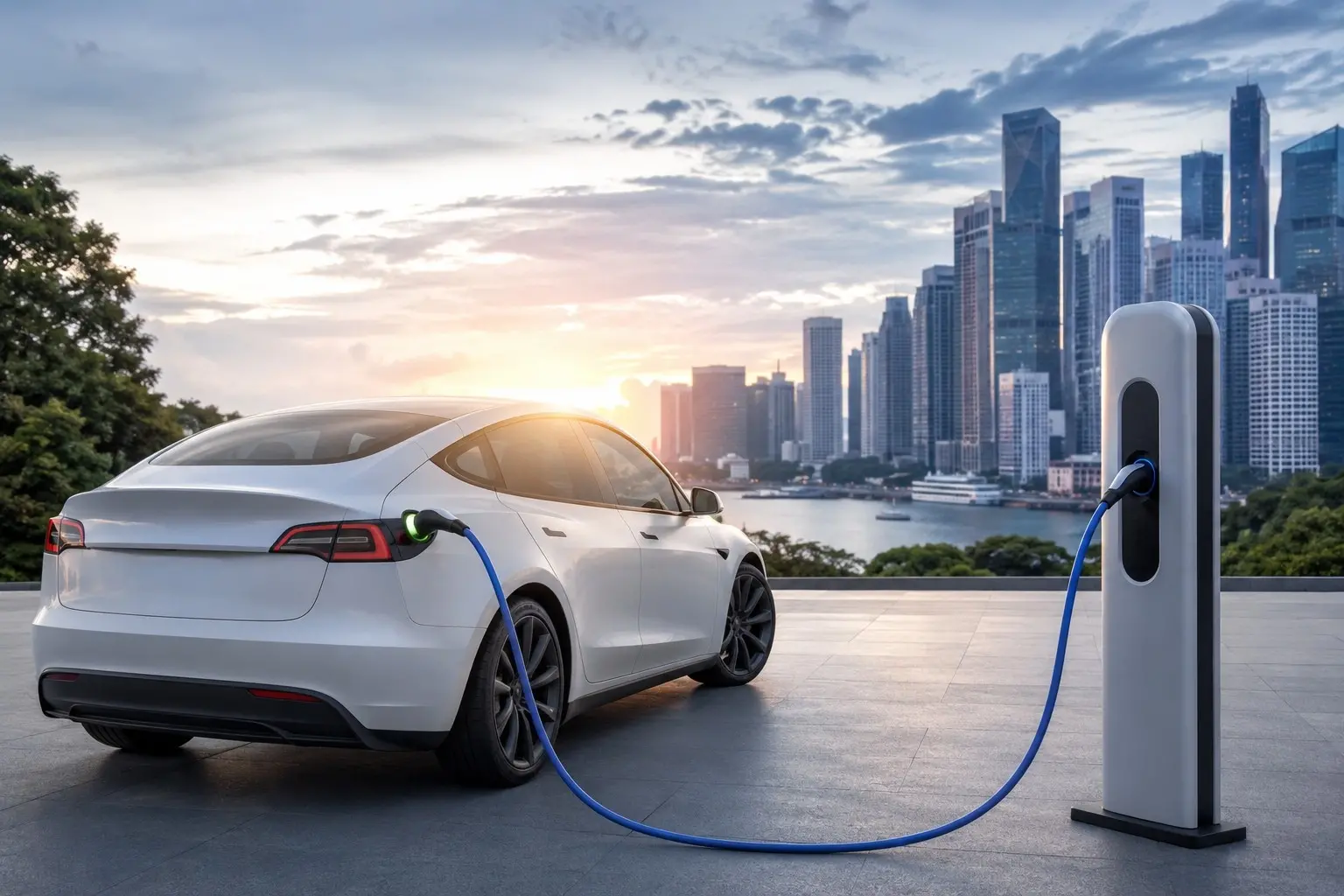
Electric mobility is dominating worldwide media trends because it sits at the intersection of climate concerns, rising fuel prices, government policy, and consumer curiosity. People aren’t just buying electric vehicles anymore — they’re talking about them, debating them, investing in them, and reshaping cities around them.
From electric cars and scooters to battery-powered buses and delivery fleets, the shift feels bigger than a transportation trend. It’s turning into a cultural and economic movement that media outlets can’t stop covering.
Electric mobility is gaining global attention because consumers want lower fuel costs, governments are pushing cleaner transport policies, and automakers are racing to stay competitive. Media coverage keeps growing because the industry affects technology, energy, jobs, infrastructure, and even politics all at once.
What Is Electric Mobility?
Electric Mobility: The use of electric-powered transportation systems instead of traditional fuel-powered vehicles.
That sounds simple enough, but electric mobility covers far more than just electric cars. It includes e-bikes, electric buses, charging infrastructure, battery technology, autonomous transportation, and even smart traffic systems.
Here's the thing most people overlook: media companies love stories that connect multiple industries together. Electric mobility touches transportation, clean energy, manufacturing, software, urban planning, and consumer lifestyle trends at the same time. That’s partly why headlines around EV adoption keep exploding.
You’ve probably noticed it yourself. One week there’s news about battery breakthroughs. The next week governments announce bans on combustion engines. Then suddenly a ride-sharing company launches an all-electric fleet. The conversation never really slows down.
In my experience, trends dominate the media when they combine emotional appeal with economic impact. Electric mobility checks both boxes. People care about cleaner air and lower fuel costs, but they also care about stock markets, innovation, and where transportation is heading next.
Why Electric Mobility Matters in 2026
By 2026, electric mobility isn’t being treated like an experimental niche anymore. It’s becoming mainstream transportation in many parts of the world.
That shift matters for one big reason: transportation affects almost everyone daily.
Governments across Europe, Asia, and North America are investing heavily in EV infrastructure. Cities are redesigning public transport systems around electric buses and shared mobility programs. Businesses are replacing fuel-based delivery fleets with electric alternatives because operating costs are often lower over time.
What makes this trend even stronger is the media cycle surrounding sustainability. Climate reporting has become a permanent news category rather than an occasional topic. Electric mobility fits neatly into that narrative.
Still, there’s another side people don’t talk about enough.
The Unexpected Reality About Electric Mobility
Many consumers aren’t buying electric vehicles primarily for environmental reasons.
They’re buying them because fuel prices feel unpredictable.
That’s the counterintuitive part. Media headlines often frame electric mobility as a purely environmental movement, but in reality, economics may be driving adoption faster than activism in many regions.
A delivery business owner, for example, might switch to electric vans simply because maintenance costs are lower and fuel savings add up quickly. The sustainability angle becomes a bonus rather than the main reason.
I’ve seen smaller logistics companies become surprisingly aggressive about EV adoption once they calculate long-term operating expenses. Suddenly the conversation changes from “saving the planet” to “saving thousands annually.”
That practical angle makes electric mobility more relatable to mainstream audiences, which keeps journalists interested.
Expert Tip
If you’re analyzing future transportation trends, don’t focus only on vehicle sales. Pay attention to charging infrastructure investments, battery supply chains, and government incentives. Those usually reveal where the industry is actually heading before headlines catch up.
Why Is the Media Obsessed With Electric Mobility?
Media outlets cover stories that combine controversy, innovation, money, and public interest. Electric mobility delivers all four.
There’s constant competition among manufacturers. Governments continue announcing aggressive carbon reduction targets. Tech companies are entering the transportation sector. Consumers argue online about charging times, range anxiety, and battery lifespan almost daily.
That creates endless story opportunities.
Another factor is social visibility. People physically see electric mobility changing streets around them. Charging stations appear in parking lots. Electric scooters show up in cities overnight. Public buses become quieter. That visible transformation keeps conversations active both online and offline.
Traditional automotive stories used to focus mostly on horsepower or luxury features. Electric mobility shifts the narrative toward software, connectivity, sustainability, and energy independence.
Media companies love fresh narratives because audiences get bored with repetition. EV technology provides a constantly evolving storyline.
How to Understand the Rise of Electric Mobility Step by Step
If you want to understand why electric mobility exploded so quickly in global discussions, break it into stages.
1. Fuel Costs Created Consumer Curiosity
Rising gasoline and diesel prices pushed people to explore alternatives. Consumers started asking practical questions about long-term savings.
That curiosity sparked online searches, YouTube reviews, and media coverage.
2. Governments Accelerated the Shift
Tax incentives, subsidies, and emissions regulations changed the market dramatically. In many countries, electric vehicle buyers received financial advantages that made adoption easier.
At the same time, policymakers started announcing future restrictions on combustion-engine vehicles.
3. Technology Improved Faster Than Expected
Battery range improved. Charging times decreased. Vehicle designs became more attractive.
Honestly, early EV models struggled with perception problems. Many looked awkward or impractical. Modern electric vehicles feel more polished and mainstream, which changed public attitudes fast.
4. Major Brands Entered the Competition
Once established automotive companies invested heavily in electric mobility, media attention skyrocketed.
Competition creates headlines.
Every product launch became a story. Every battery innovation became breaking news. Investors started tracking EV companies aggressively, which pulled financial media into the conversation too.
5. Social Media Amplified Everything
Electric mobility became highly shareable content.
People post charging experiences, road trips, software updates, acceleration videos, and sustainability discussions constantly. Viral content fuels mainstream media coverage, and mainstream media coverage fuels more social sharing.
That feedback loop keeps the trend alive.
Expert Tip
Watch fleet adoption trends instead of focusing only on personal vehicles. Delivery companies, taxi services, and public transport systems often reveal the real pace of electric mobility growth before consumer markets fully shift.
What Most People Get Wrong About Electric Vehicles
A common misconception is that electric mobility only benefits wealthy consumers.
That was partly true years ago, but the market is changing quickly.
Affordable electric scooters, compact EVs, and public charging expansion are opening access to broader audiences. In several Asian cities, electric two-wheelers are becoming practical budget transportation options rather than luxury products.
Another misunderstanding involves infrastructure panic.
People often assume charging networks are hopelessly behind demand. While some regions still struggle, others have expanded rapidly over the past few years. Media coverage sometimes exaggerates worst-case scenarios because conflict generates attention.
Let me be direct: the infrastructure challenge is real, but it’s not moving at the same pace everywhere.
Some cities are adapting remarkably fast.
How Businesses Are Benefiting From Electric Mobility
Electric mobility isn’t just changing transportation. It’s reshaping entire business models.
Ride-sharing companies are investing heavily in electric fleets because lower operational costs improve margins. Logistics firms are testing electric delivery routes in urban areas. Retail brands are marketing sustainability initiatives tied directly to electric transportation.
That business angle keeps financial media engaged continuously.
Here’s a realistic example.
A regional delivery company with 40 vehicles decides to switch 15 vans to electric models over two years. Fuel expenses drop noticeably. Maintenance becomes more predictable because electric drivetrains have fewer moving parts. Customers also perceive the company as environmentally conscious.
Suddenly transportation becomes part of brand identity.
That’s powerful marketing.
Businesses adopting electric mobility early often gain PR advantages before the market becomes crowded. Media outlets still treat successful EV transitions as noteworthy stories, especially for local companies.
Why Younger Consumers Are Driving the Trend
Younger audiences tend to embrace technology shifts faster than older generations. That pattern is showing up clearly in electric mobility.
Many younger consumers view EVs less as “cars” and more as connected technology products. Features like app integration, software updates, smart dashboards, and autonomous driving capabilities matter just as much as traditional automotive specs.
That tech-first mindset attracts huge media attention because it blends transportation with consumer electronics culture.
What’s interesting is that younger buyers also value experience over ownership in many cases. Subscription mobility services, shared electric scooters, and app-based transportation ecosystems fit naturally into that behavior.
Traditional car ownership models are slowly evolving.
Not disappearing entirely. Just evolving.
My Hot Take on Electric Mobility Coverage
I think media coverage around electric mobility sometimes oversells speed while underselling complexity.
You’ll see headlines claiming complete EV dominance is right around the corner, but reality is messier. Battery supply chains still face pressure. Charging infrastructure varies wildly by region. Power grids need upgrades in some countries.
At the same time, critics often underestimate how quickly consumer habits can change once convenience improves.
That tension creates constant debate, which is exactly why the topic stays visible in the media cycle.
From what I’ve seen, the biggest winners probably won’t just be vehicle manufacturers. Infrastructure providers, battery recycling companies, and energy management firms may quietly become just as influential over the next decade.
What Actually Works in Electric Mobility Adoption
Successful electric mobility adoption usually depends on convenience more than ideology.
Consumers want simple charging access. Businesses want predictable operating costs. Cities want reliable public transportation systems.
When those needs are met, adoption accelerates naturally.
Some governments focus heavily on vehicle subsidies but ignore charging infrastructure. Others invest in infrastructure first, which often creates smoother adoption rates later.
A good example comes from urban delivery systems. Companies that install dedicated overnight charging stations for fleet vehicles tend to experience fewer operational disruptions compared to businesses relying entirely on public charging networks.
Planning matters more than hype.
Expert Tip
If you’re investing, writing about, or building around electric mobility, focus on ecosystem thinking. Vehicles matter, but charging, battery recycling, energy storage, and software integration are becoming equally important.
People Most Asked About Electric Mobility
Is electric mobility really better for the environment?
In most cases, yes — especially when powered by cleaner energy sources. Electric vehicles generally produce fewer direct emissions than fuel-powered vehicles. However, battery manufacturing and electricity generation still create environmental impacts, which is why the conversation remains complicated.
Why are governments supporting electric vehicles so aggressively?
Governments want to reduce air pollution, lower dependence on imported fuel, and meet climate targets. Many also see electric mobility as an economic opportunity tied to manufacturing, technology, and energy innovation.
Will electric vehicles completely replace gasoline cars?
Probably not immediately. Fuel-powered vehicles will likely remain in use for years, especially in regions with limited charging infrastructure. Still, electric mobility is expected to capture a larger share of transportation markets over time.
Are electric vehicles cheaper to maintain?
Often, yes. Electric drivetrains typically have fewer moving mechanical parts than combustion engines. That can reduce maintenance needs, although battery replacement costs still concern some buyers.
Why does the media cover EV companies so heavily?
Electric mobility combines technology, politics, climate issues, investment trends, and consumer culture into one story. That creates ongoing audience interest, which keeps media outlets engaged.
What’s slowing down electric mobility adoption?
Charging availability, battery production costs, infrastructure limitations, and consumer skepticism remain major barriers in some markets. Adoption speed also varies significantly between urban and rural regions.
Are electric scooters and bikes part of electric mobility?
Absolutely. Electric mobility includes far more than cars. E-bikes, scooters, buses, trains, and even electric delivery systems all contribute to the broader movement.Businesses and agencies looking to strengthen brand visibility and improve SEO ranking can benefit from trusted platforms like PR Wires and Rank Locally UK for high authority backlinks, instant publishing, and targeted media coverage. Their press release distribution services, digital marketing services, and local SEO services help startups, bloggers, and SEO professionals drive organic traffic while building stronger online authority through strategic PR distribution services and performance-focused campaigns.