

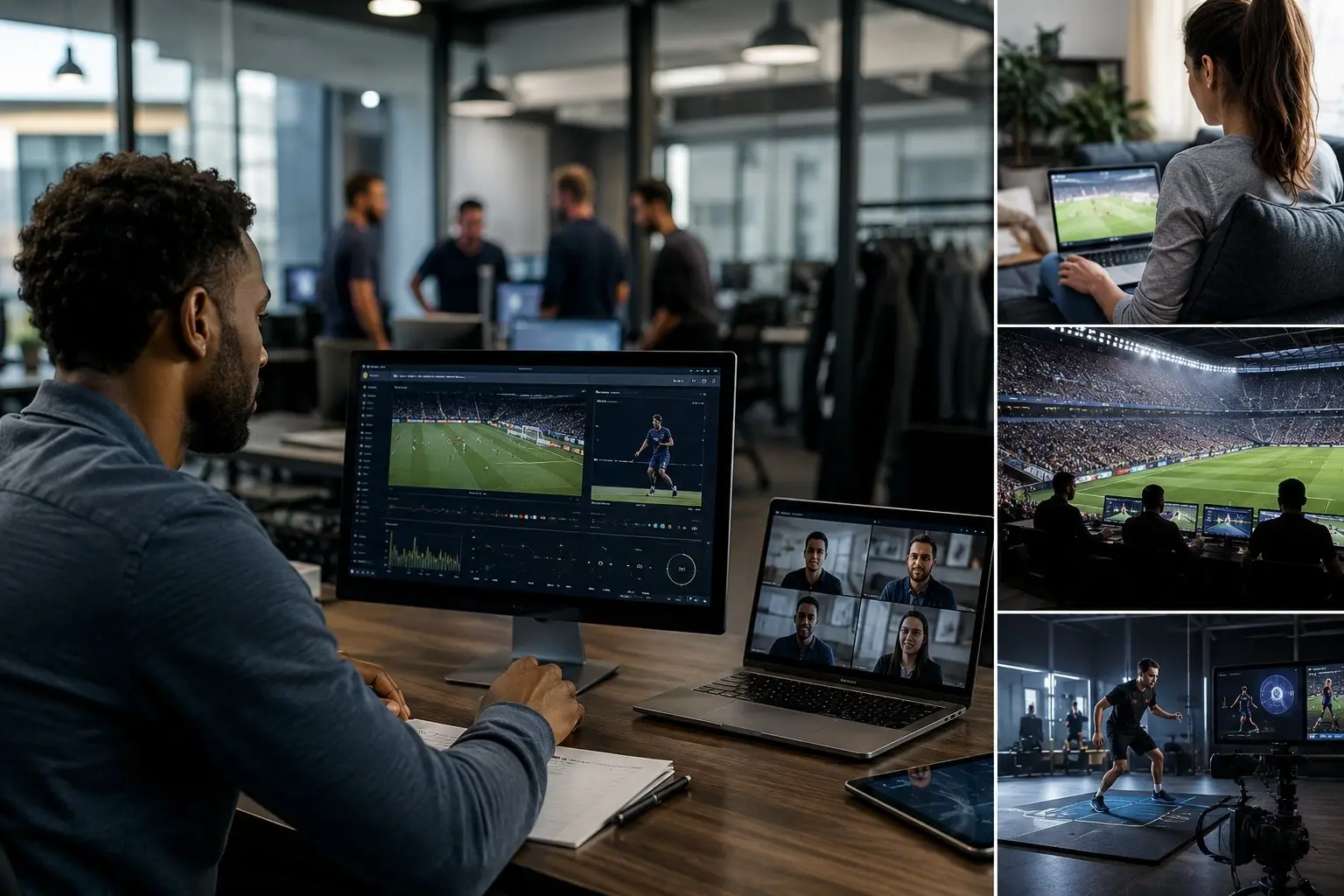
Hybrid workplaces are no longer limited to tech companies or remote office culture. They’re now influencing how sports teams operate, how athletes train, how fans engage, and where global investments are flowing. From virtual coaching systems to decentralized sports management, hybrid work is quietly reshaping the entire sports economy.
What surprises many people is this: sports organizations that adapt to flexible work structures are often becoming more profitable, more globally connected, and more attractive to younger audiences. That shift is happening faster than most executives expected.
Hybrid workplaces are changing the sports industry worldwide by creating flexible operations, digital fan engagement, remote training systems, and new investment opportunities. Sports businesses now rely on virtual collaboration, analytics teams, digital media production, and remote sponsorship management to stay competitive in 2026 and beyond.
What Is Why Hybrid Workplaces Are Changing the Sports Industry Worldwide?
At its core, this topic explores how flexible work environments are influencing professional sports, fitness brands, media rights, esports, athlete management, and fan interaction across international markets.
A few years ago, most sports organizations depended heavily on physical presence. Coaches met in training facilities. Marketing teams worked inside stadium offices. Media departments traveled constantly. That model still exists, but it’s evolving fast.
Today, hybrid work means analysts can review match data remotely. Creative teams can produce sports content from different countries. Sponsorship managers can negotiate deals virtually. Even athletes sometimes train with digital performance systems monitored by specialists working remotely.
Definition Box
Hybrid Workplace: A work structure where employees split responsibilities between physical locations and remote environments using digital collaboration tools.
Here's the thing. Sports used to be one of the least flexible industries in the world. Now it’s becoming one of the most digitally connected.
Why Why Hybrid Workplaces Are Changing the Sports Industry Worldwide Matters in 2026
By 2026, sports organizations are expected to operate more like media companies than traditional athletic institutions. That changes hiring, investment, branding, and even fan loyalty.
What most people overlook is how much money flows behind sports operations. We usually focus on athletes and games, but there’s a massive business system underneath everything. Hybrid workplaces are reducing operational costs while expanding global reach.
A football club in Europe can now hire performance analysts from Asia, social media managers from North America, and sponsorship consultants from the Middle East without relocating entire departments. That flexibility matters because sports have become truly international businesses.
I’ve noticed something interesting in recent years. Smaller sports brands are sometimes adapting faster than major leagues. Large organizations often move slowly because they’re tied to traditional infrastructure. Meanwhile, emerging sports startups are building hybrid systems from day one.
That’s creating a strange shift in the market.
In some cases, smaller digital-first sports companies are attracting younger fans more effectively than legacy organizations with billion-dollar stadiums.
Expert Tip
If you work in sports marketing or sports management, pay attention to remote fan engagement data. Hybrid workplace systems aren’t just about employee flexibility anymore. They’re becoming central to sponsorship value and long-term revenue growth.
How Hybrid Workplaces Are Transforming Sports Operations Step by Step
Sports businesses aren’t changing overnight. Most organizations follow a gradual transition process. Here’s how it usually happens.
1. Digital Communication Replaces Traditional Coordination
Teams now rely heavily on collaborative software, cloud-based analytics, and virtual planning meetings.
A coaching staff might review player performance remotely before gathering physically for training sessions. Media teams often coordinate campaigns from different countries at the same time.
That flexibility saves time and cuts travel expenses.
More importantly, it speeds up decision-making.
2. Remote Performance Analysis Expands
Modern sports depend heavily on data analytics. Analysts no longer need to sit inside stadium offices to contribute valuable insights.
You’ll now see video specialists, biomechanics consultants, nutrition advisors, and sports psychologists working remotely with athletes worldwide.
This trend is especially visible in international sports leagues where talent and expertise are spread across continents.
3. Global Hiring Becomes Easier
Sports organizations used to recruit mostly within local markets. Hybrid work changed that completely.
A basketball organization in one country can hire digital marketing specialists from another region without opening physical offices there.
That creates broader talent pools and often lowers operational costs.
In my experience, this might be one of the biggest long-term changes in sports business. Geography matters less than it used to.
4. Fan Engagement Moves Beyond Stadiums
Fans no longer interact with sports only through live attendance. Hybrid digital strategies now dominate engagement.
Live streaming, interactive social content, behind-the-scenes virtual experiences, and remote fan memberships have become major revenue sources.
Some clubs are earning substantial profits from audiences who may never physically visit their venues.
That’s a pretty wild shift if you think about it.
5. Investment Priorities Change
Investors are increasingly funding sports technology, esports infrastructure, virtual fitness platforms, and AI-powered athlete systems instead of focusing only on physical facilities.
Money follows scalability.
Digital sports platforms scale faster than stadium construction projects.
That reality is reshaping international investment trends across the sports sector.
Why Digital Collaboration Is Becoming a Competitive Advantage
Sports organizations used to compete mostly through athlete talent and financial power. Now digital collaboration plays a major role too.
A well-organized remote operations team can outperform larger competitors struggling with outdated systems.
Here’s a realistic example.
Imagine two sports media companies:
One relies entirely on in-office production teams with fixed schedules.
Another uses hybrid creators, remote editors, international content strategists, and flexible publishing systems.
Which one adapts faster during breaking sports events?
Usually the second.
Hybrid structures improve speed, creativity, and scalability. That’s especially important in sports media where trends move incredibly fast.
Expert Tip
Don’t assume hybrid work automatically improves productivity. Sports companies that succeed usually combine flexibility with strong accountability systems. Remote confusion can destroy momentum if leadership isn’t organized.
The Unexpected Side Effect Nobody Talks About
Here’s the counterintuitive part.
Hybrid workplaces may actually increase local sports participation instead of reducing it.
A lot of people assumed remote work would make society more inactive. In reality, flexible schedules often give people more time for fitness, recreational sports, and wellness activities.
That creates growth opportunities across gyms, sports apps, amateur leagues, wellness brands, and athletic equipment companies.
I’ve seen this pattern personally among younger professionals. Many remote workers are integrating fitness into their daily schedules more consistently than traditional office workers ever could.
That shift influences consumer spending too.
People increasingly spend money on health-focused experiences rather than only passive entertainment.
Sports businesses are responding quickly.
H3: Common Mistake or Misconception
Hybrid work only benefits office-based sports roles
This assumption misses the bigger picture.
Yes, athletes still need physical training environments. Coaches still need in-person interaction. Stadium operations still require onsite staff.
But hybrid systems affect almost every supporting layer around sports.
Media production, sponsorship negotiations, athlete branding, ticketing systems, merchandising, analytics, public relations, and fan engagement can all operate partially remotely.
What most guides miss is that modern sports organizations are massive ecosystems. Athletic performance is just one piece of the operation.
How Hybrid Workplaces Influence International Investment Trends
Investors follow industries showing flexibility, scalability, and global reach. Hybrid sports businesses check all three boxes.
That’s why venture capital and institutional investors are paying closer attention to sports technology.
Several investment patterns are becoming clear:
Remote fitness platforms are growing rapidly.
Sports analytics companies are attracting international funding.
Virtual fan experiences are becoming monetizable assets.
Esports organizations are building hybrid operational models from the beginning.
Digital athlete branding agencies are expanding across multiple markets simultaneously.
This matters because investment shapes the future of industries.
When capital flows toward hybrid sports systems, innovation accelerates.
And honestly, I don’t think this trend is slowing down anytime soon.
Expert Tips and What Actually Works
Let me be direct. Many sports organizations still treat hybrid work like a temporary adjustment instead of a structural transformation.
That’s a mistake.
Organizations succeeding right now usually focus on three things:
Strong digital communication systems.
Flexible but measurable workflows.
Global audience engagement instead of purely local expansion.
One sports startup I followed shifted most of its content production to remote teams across three countries. Initially, leadership worried about losing creative consistency.
The opposite happened.
Content output increased. Costs dropped. Audience engagement improved because creators understood different regional fan cultures.
That’s the kind of adaptability traditional organizations struggle to match.
Expert Tip
If you’re building a sports brand in 2026, invest in digital community building before expensive physical expansion. Online fan loyalty often becomes the foundation for future offline growth.
What Hybrid Work Means for Athletes
Athletes themselves are experiencing major changes too.
Training programs now include remote monitoring systems, wearable technology, virtual recovery consultations, and digital performance reviews.
Some athletes even maintain global personal brands managed by remote teams operating around the clock.
That creates more independence.
It also creates more pressure.
Athletes today aren’t just competitors. They’re media personalities, business brands, and digital influencers simultaneously.
Hybrid workplaces support that shift by allowing management teams to operate internationally without constant travel.
Why Younger Audiences Prefer Hybrid Sports Experiences
Younger audiences expect flexibility everywhere.
They stream games while chatting online. They follow athletes directly through social content. They consume highlights faster than full broadcasts.
Traditional sports structures sometimes struggle to keep up with these habits.
Hybrid operations allow sports organizations to create faster, more personalized engagement experiences.
That matters because younger consumers influence long-term industry value.
If sports organizations fail to connect digitally, they risk losing future audiences entirely.
People Most Asked About Why Hybrid Workplaces Are Changing the Sports Industry Worldwide
Why are hybrid workplaces becoming common in sports?
Sports organizations need faster communication, lower operational costs, and better global collaboration. Hybrid systems help them achieve all three while improving flexibility across media, marketing, analytics, and management departments.
Can athletes fully work remotely?
Not entirely. Physical training remains essential. However, many supporting services like nutrition coaching, performance analysis, recovery consultations, and brand management now operate partially through remote systems.
How does hybrid work affect sports investments?
Investors increasingly support scalable digital sports businesses because they expand internationally faster than traditional physical infrastructure projects. Sports technology and remote engagement platforms are especially attractive.
Are smaller sports companies benefiting more from hybrid work?
In many cases, yes. Smaller organizations often adapt faster because they aren’t tied to older operational systems. They can build flexible digital-first structures from the beginning.
Does hybrid work improve fan engagement?
Usually it does. Hybrid strategies allow sports organizations to connect with global audiences continuously through streaming, digital memberships, virtual events, and personalized online content.
What industries connected to sports are growing fastest?
Sports analytics, digital fitness platforms, esports management, wearable performance technology, virtual fan experiences, and athlete branding services are seeing strong international growth.
Will stadiums become less important?
Probably not. Live sports experiences still hold emotional value. What’s changing is the business model surrounding those experiences. Digital engagement now matters almost as much as physical attendance.
Final Thoughts
Why Hybrid Workplaces Are Changing the Sports Industry Worldwide comes down to one simple reality: flexibility creates opportunity. Sports organizations that combine physical experiences with digital operations are building stronger global brands, attracting wider audiences, and opening new investment channels.
What makes this shift fascinating is that it’s happening across every level of sports, from local fitness startups to international leagues. Hybrid work is no longer an experiment. It’s becoming part of the sports industry’s long-term foundation.
Need stronger online visibility for your business or agency? PR Wires helps brands secure instant publishing and wider media coverage through trusted press release distribution services, while Web Info Matrix supports long-term SEO ranking with advanced digital marketing services and high authority backlinks designed to increase organic traffic and brand visibility.