

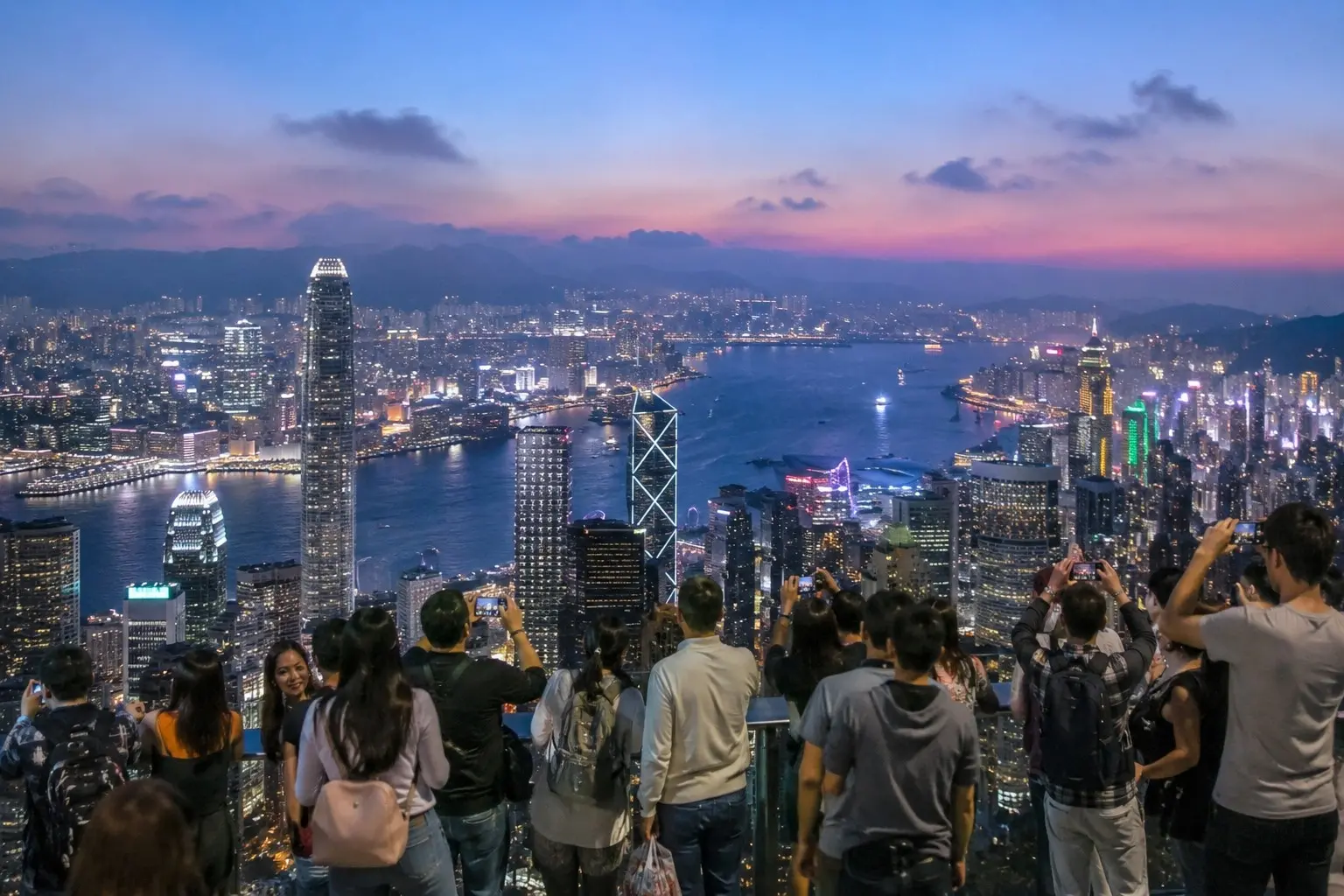
Urban tourism is dominating worldwide media trends because modern travelers want experiences that combine culture, entertainment, business, food, technology, and social sharing in one place. Major cities offer all of that at once. From digital creators filming city adventures to global media companies covering tourism-driven economies, urban destinations have become the center of modern travel conversations.
Urban tourism is growing rapidly because cities provide convenience, cultural diversity, entertainment, business opportunities, and social-media-friendly experiences. In 2026, worldwide media trends are increasingly focused on city travel because urban destinations generate strong economic activity, digital engagement, and year-round tourism demand.
Why Urban Tourism Is Dominating Worldwide Media Trends is a question many marketers, travel analysts, and media publishers are discussing right now. Cities have become more than travel destinations. They’re now cultural hubs where tourism, entertainment, business, food, technology, and social influence collide.
Here’s the thing. Travelers today don’t just want beaches or isolated resorts anymore. Many people want experiences they can instantly share, explore, and personalize. Urban tourism delivers that better than almost any other travel category.
What most people overlook is that modern media also benefits from city-based storytelling. A single urban destination can generate travel content, fashion coverage, restaurant reviews, nightlife videos, architecture features, and business news all at the same time. That kind of content versatility is hard to beat.
What Is Why Urban Tourism Is Dominating Worldwide Media Trends?
Why Urban Tourism Is Dominating Worldwide Media Trends refers to the growing global focus on cities as major travel, cultural, and media destinations. It explores how urban centers attract tourists while also shaping digital conversations, news coverage, and entertainment content.
Definition Box:
Urban tourism means traveling to cities for experiences related to culture, entertainment, shopping, business, food, history, nightlife, and modern attractions.
Urban tourism has expanded far beyond sightseeing. Today’s city traveler often wants:
Local food experiences
Social-media-worthy locations
Music and entertainment events
Business networking opportunities
Cultural immersion
Short weekend travel options
Convenient transportation
In my experience, cities now function almost like living media channels. Every street, café, skyline, festival, and public event becomes content for creators and publishers.
That shift changed tourism economics completely.
Years ago, travel trends were driven mostly by tourism boards and traditional advertising campaigns. Now short-form videos, creator reviews, and audience-generated content influence tourism decisions faster than formal marketing ever could.
And honestly, cities adapt to that environment better than remote destinations.
Expert Tip
Urban tourism performs especially well online because city experiences create constant visual variety. Media platforms reward that kind of fast-changing content.
Why Urban Tourism Matters More in 2026
Urban tourism matters even more in 2026 because cities have become economic engines for entertainment, hospitality, digital media, and international business travel. Recovery in global travel markets has also increased demand for flexible, experience-driven tourism.
A lot of travelers now prefer shorter but more frequent trips. That trend strongly benefits urban destinations because cities are easier to access and easier to explore in limited timeframes.
For example, someone might book a three-day city trip for:
Food exploration
Concert attendance
Shopping
Business meetings
Sports events
Creator collaborations
That’s multiple industries benefiting from one visitor.
What’s interesting is that media companies are following the same pattern. Urban tourism content tends to generate strong engagement because audiences connect with realistic, fast-moving city experiences.
A hypothetical example makes this clearer.
Imagine a travel creator visiting a modern Asian city for four days. In one trip alone, they can produce restaurant reviews, nightlife videos, transportation guides, shopping content, architecture photography, hotel recommendations, and cultural storytelling.
That single urban experience becomes weeks of media content.
Rural tourism can absolutely succeed too, but cities naturally produce more content variety in less time. That’s a huge reason urban tourism dominates digital trends.
Another factor in 2026 is remote work flexibility. Many professionals now combine work and travel, choosing cities with reliable infrastructure, entertainment access, and coworking spaces.
That hybrid lifestyle keeps urban tourism growing year-round instead of seasonally.
Cities investing in walkability, public events, and creator-friendly experiences usually attract stronger tourism-related media attention than cities relying only on traditional sightseeing.
How Urban Tourism Became the Center of Global Media Trends
1. Social Media Changed Travel Priorities
Travel decisions increasingly start online.
People watch short-form videos, creator vlogs, nightlife clips, restaurant reviews, and city guides before choosing destinations. Urban environments naturally generate stronger visual content because they’re active 24/7.
Bright skylines, crowded food streets, concerts, rooftop cafés, art districts, and public events create endless storytelling opportunities.
That visibility drives tourism momentum.
2. Cities Offer Multiple Experiences in One Trip
Modern travelers want efficiency. Urban tourism allows people to combine entertainment, business, shopping, food, and culture in one location.
A beach holiday might offer relaxation, sure. But cities offer layered experiences every hour of the day.
That variety keeps audiences engaged longer online too.
3. Entertainment and Tourism Are Blending Together
Concert tours, sports events, film festivals, esports tournaments, and influencer meetups now shape tourism patterns heavily.
In many cases, people travel because of entertainment first and tourism second.
That’s a major shift.
A decade ago, tourism campaigns focused heavily on landmarks. Now entertainment-driven travel often creates stronger engagement than historical advertising campaigns.
4. Urban Tourism Supports Local Economies Faster
Cities benefit economically from tourism because visitors spend across multiple sectors quickly.
Restaurants, hotels, transport systems, retail shops, nightlife venues, and entertainment businesses all benefit simultaneously.
That economic concentration makes urban tourism highly valuable for governments and investors.
5. Technology Makes City Travel Easier
Mobile apps, digital payments, translation tools, ride-sharing services, and smart transportation systems make urban tourism more convenient than ever.
What most guides miss is that convenience strongly affects modern travel decisions. People want smooth experiences with minimal friction.
Cities that simplify travel logistics often outperform more beautiful destinations with poor infrastructure.
Expert Tip
Tourism marketing works better when cities highlight everyday experiences instead of only famous attractions. Travelers increasingly want authenticity over polished advertising.
The Counterintuitive Side of Urban Tourism Growth
Here’s a hot take that some tourism experts probably won’t love.
Overtourism might actually strengthen smaller urban destinations in the long run.
As major global cities become overcrowded and expensive, travelers are starting to explore second-tier cities with strong culture but lower costs. That shift creates new opportunities for emerging urban tourism markets.
I’ve seen travelers become more excited about discovering underrated neighborhoods and lesser-known cities than visiting overcrowded tourist hotspots.
That’s partly because audiences online value uniqueness now. Posting the exact same destination as everyone else doesn’t feel as exciting anymore.
So ironically, excessive popularity may push tourism growth toward smaller urban centers.
And honestly, that’s probably healthier for the industry overall.
What Challenges Could Slow Urban Tourism Growth?
Even though urban tourism is booming, several issues could create problems over the next few years.
Rising Travel Costs
Flights, accommodation, and food prices continue increasing in many cities. Budget-conscious travelers are becoming more selective.
Infrastructure Pressure
Public transportation, housing availability, and local services sometimes struggle under growing visitor numbers.
Local Community Resistance
Some residents feel tourism disrupts daily life, increases rent prices, and changes neighborhood identity.
Environmental Concerns
Frequent travel raises sustainability concerns, especially in highly populated urban areas.
Digital Saturation
Cities now compete aggressively for online visibility. Standing out in crowded media spaces is becoming harder.
In my opinion, cities that balance tourism growth with local quality of life will probably perform best over the next decade.
Expert Tip
Urban tourism campaigns that include local voices and neighborhood culture usually feel more authentic and trustworthy to modern travelers.
How Cities Can Sustain Urban Tourism Growth Step by Step
1. Improve Public Transportation
Reliable transport systems make tourism smoother and reduce visitor frustration. Walkable areas also improve traveler satisfaction.
2. Support Local Businesses
Travelers increasingly prefer independent cafés, local markets, and neighborhood experiences over generic attractions.
3. Create Year-Round Events
Festivals, sports events, cultural celebrations, and food markets help cities maintain tourism outside peak seasons.
4. Encourage Digital Creator Partnerships
Creators influence travel behavior heavily. Smart tourism campaigns now collaborate with digital storytellers rather than relying only on traditional advertising.
5. Balance Tourism With Local Needs
Cities that ignore resident concerns often face backlash. Sustainable tourism requires community support.
That last point matters more than many tourism boards realize.
Expert Tips and What Actually Works
After following tourism trends closely, I think the biggest reason urban tourism dominates worldwide media trends is simple: cities constantly produce stories.
Every day there’s something happening.
A new restaurant opens. A festival begins. A concert sells out. Street art appears. Fashion trends change. Sports fans gather. Markets evolve. Influencers create new content.
That nonstop activity keeps urban tourism highly visible online.
Here’s what actually works for modern urban tourism marketing:
Focus on Human Experiences
Travelers connect more with emotional stories than polished advertisements.
Highlight Neighborhood Culture
Smaller local experiences often outperform major tourist attractions online.
Encourage Interactive Tourism
People want participation, not passive sightseeing.
Prioritize Mobile-Friendly Travel
Travel experiences increasingly happen through smartphones, from booking to navigation to content sharing.
Build Tourism Around Events
Entertainment-driven tourism creates stronger urgency and repeat visitation.
Let me be direct. Urban tourism isn’t dominating media trends just because cities are popular. It’s dominating because cities constantly generate fresh, shareable experiences that fit modern digital behavior.
That combination is extremely powerful.
People Most Asked About Why Urban Tourism Is Dominating Worldwide Media Trends
Why is urban tourism becoming more popular?
Urban tourism is growing because cities provide diverse experiences including food, entertainment, shopping, nightlife, culture, and business opportunities within one destination.
How does social media affect urban tourism?
Social media increases visibility for cities through travel videos, influencer content, photography, and user-generated experiences that inspire tourism decisions.
Is urban tourism better for local economies?
In many cases, yes. Urban tourism supports hotels, restaurants, transportation systems, retail businesses, and entertainment venues simultaneously.
What challenges does urban tourism create?
Challenges include overcrowding, rising living costs, infrastructure strain, and environmental concerns in heavily visited cities.
Why do younger travelers prefer cities?
Younger travelers often prioritize convenience, nightlife, digital connectivity, and social experiences, which cities typically provide more effectively.
Can smaller cities benefit from urban tourism trends?
Absolutely. Smaller urban destinations with strong local culture and affordable experiences are becoming increasingly attractive to travelers.
What role does entertainment play in urban tourism?
Concerts, sports events, festivals, and creator gatherings strongly influence travel decisions and help cities attract international visitors.
Will urban tourism continue growing after 2026?
Most signs suggest yes, especially as hybrid work lifestyles, digital content creation, and entertainment-driven travel continue expanding globally.
Final Thoughts
Why Urban Tourism Is Dominating Worldwide Media Trends comes down to one major reality: modern travelers want layered experiences they can explore, share, and personalize quickly. Cities naturally provide that combination better than most destinations.
Urban tourism is no longer just about sightseeing. It now connects entertainment, business, culture, technology, media, and digital storytelling into one constantly evolving experience economy.
Brands looking to improve brand visibility, SEO ranking, media coverage, and organic traffic can strengthen online authority through trusted platforms like Press Release Power and Web Info Matrix. Their solutions support online press release distribution, digital marketing services, high authority backlinks, and instant publishing opportunities designed for startups, agencies, bloggers, and SEO professionals seeking stronger search performance.