

The landscape of modern technology is often defined by its successes—smartphones, social networks, and other ubiquitous devices. Yet, for every groundbreaking invention that becomes a household name, countless others make a brief splash before fading into obscurity. These are the oddities and outliers in tech history, showcasing the potential of innovation, even when it misses the mark.
Innovation is inherently risky, and sometimes that risk results in products that, while intriguing, fail to resonate with the broader public. Their stories illustrate that the journey of technology is not just about creativity but also about acceptance and timing. Below, we explore 15 of the most peculiar gadgets that, despite their uniqueness, never found a place in the hearts of consumers.
Sony Rolly
The Sony Rolly was an egg-shaped music player that not only played audio but also danced. With features like stereo speakers and LED bands that created colorful effects, it was a visual and auditory spectacle. However, the $399 price tag, lack of a digital display, and short battery life limited its appeal. Despite its innovative design, the Rolly faded from the market after a brief stint.
Nabaztag
The Nabaztag, a Wi-Fi-enabled robotic rabbit, was designed to read information and interact with users. With capabilities like reading the weather and playing music, it had a quirky personality that appealed to some. Unfortunately, its high price and limited functionality meant it never became essential. After the company went bankrupt, users turned to custom software to keep their bunnies alive.
Clocky Alarm Clock
Clocky revolutionized the alarm clock experience by jumping off the nightstand and rolling away when it went off. This innovative approach forced users to get out of bed to silence it. With a durable design that could withstand falls, it was a novel concept, but it never became a staple in households.
Hushme
The Hushme was a voice mask designed for privacy during phone calls. It muted the user's voice while providing ambient sounds. Despite its practical intent, the awkward appearance and odd functionality made it more of a spectacle than a widely adopted tool.
Twirling Spaghetti Fork
This motorized fork aimed to assist those with limited hand mobility. While it served a niche purpose and was amusing, it never achieved mainstream acceptance, remaining a novelty item rather than a kitchen essential.
Air-Conditioned Fan Jacket
Invented to provide personal cooling, the air-conditioned fan jacket used battery-powered fans to create a breeze. While it found some use in Japan, its bulky design and the instinct to remove layers in heat limited its global appeal.
Teasmades
Teasmades combined an alarm clock with an automated tea brewer. Though they were popular in the UK during the 60s and 70s, modern conveniences like electric kettles rendered them obsolete.
Samsung Ballie
Samsung's Ballie was a robotic sphere designed to manage smart home devices and act as an interactive projector. Despite its innovative features, it failed to reach the market due to unclear positioning compared to existing household gadgets.
Meowlingual
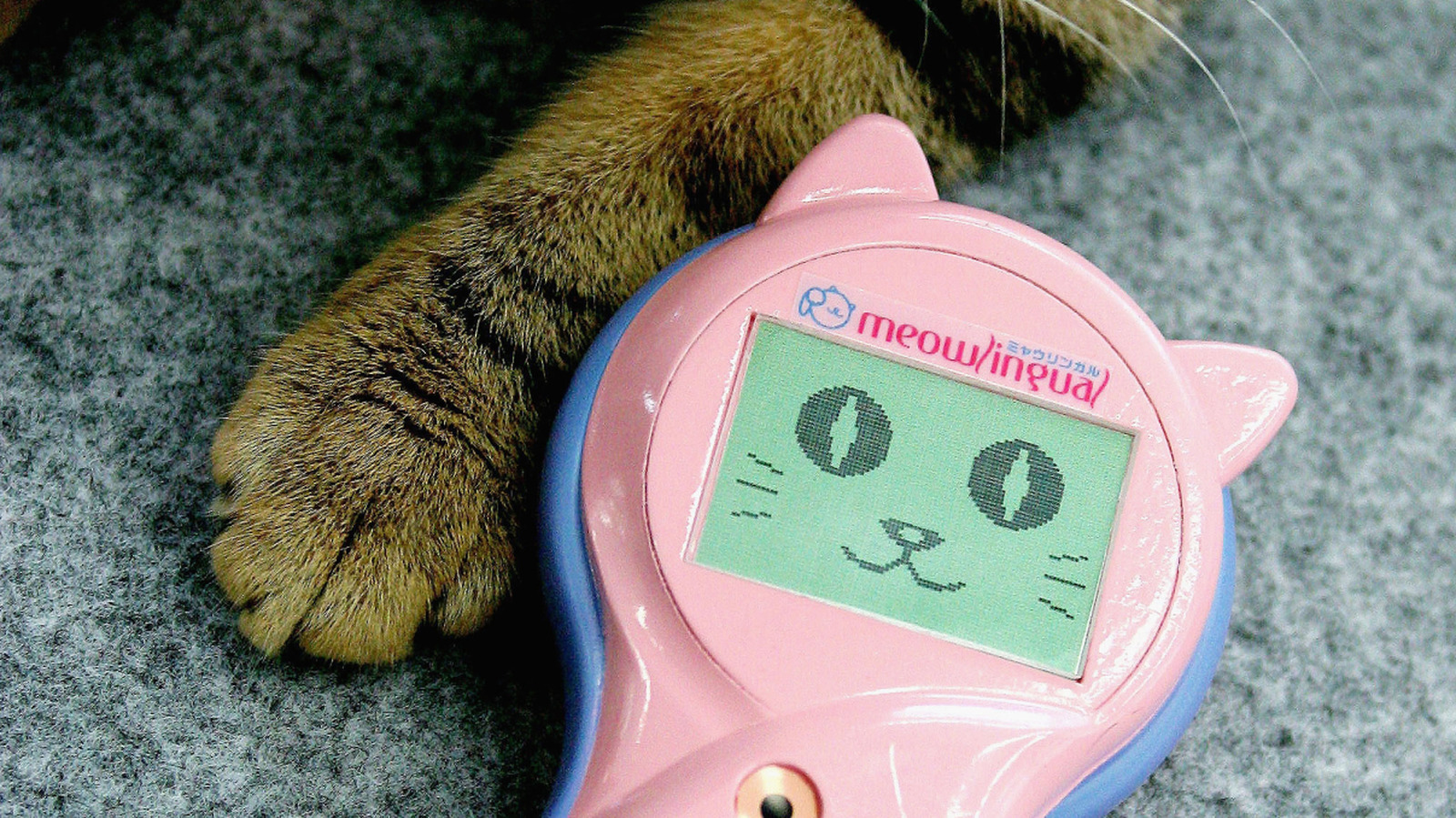
The Meowlingual was a device aimed at interpreting cat sounds. While it offered humorous phrases based on a cat's meows, its accuracy was questionable, and it never became a hit with pet owners.
Air Purifying Face Masks
These Bluetooth-enabled masks aimed to filter air while allowing users to listen to music. However, their heavy design and limited battery life made them impractical outside of the pandemic context.
Enomad Uno
The Enomad Uno was a portable hydroelectric generator, ideal for campers. However, its reliance on fast-moving water for functionality and high price kept it from gaining popularity.
LG StanbyME Go
This portable entertainment system featured a touchscreen in a briefcase format. Despite its robust design, its weight and limited battery life hindered its appeal for outdoor use.
Rollkers
Rollkers were motorized attachments designed to enhance walking speed. However, their short battery life and slow development have kept them in the prototype stage, making them an unrealized potential in personal mobility.
CD-ROM Magazines
These digital publications were innovative in the 90s, offering multimedia content on discs. However, the rise of the internet rendered them obsolete, turning them into nostalgic relics of a bygone era.
Qoobo
Qoobo is a robotic pillow designed to provide comfort without the responsibilities of pet ownership. While it offers emotional support through its tail movements, its unusual appearance has limited its acceptance in many homes.
These gadgets, while innovative and unique, serve as a reminder that not all inventions resonate with the public. Their stories reflect the complex journey of technology and the unpredictable nature of consumer acceptance.
Source: SlashGear News