

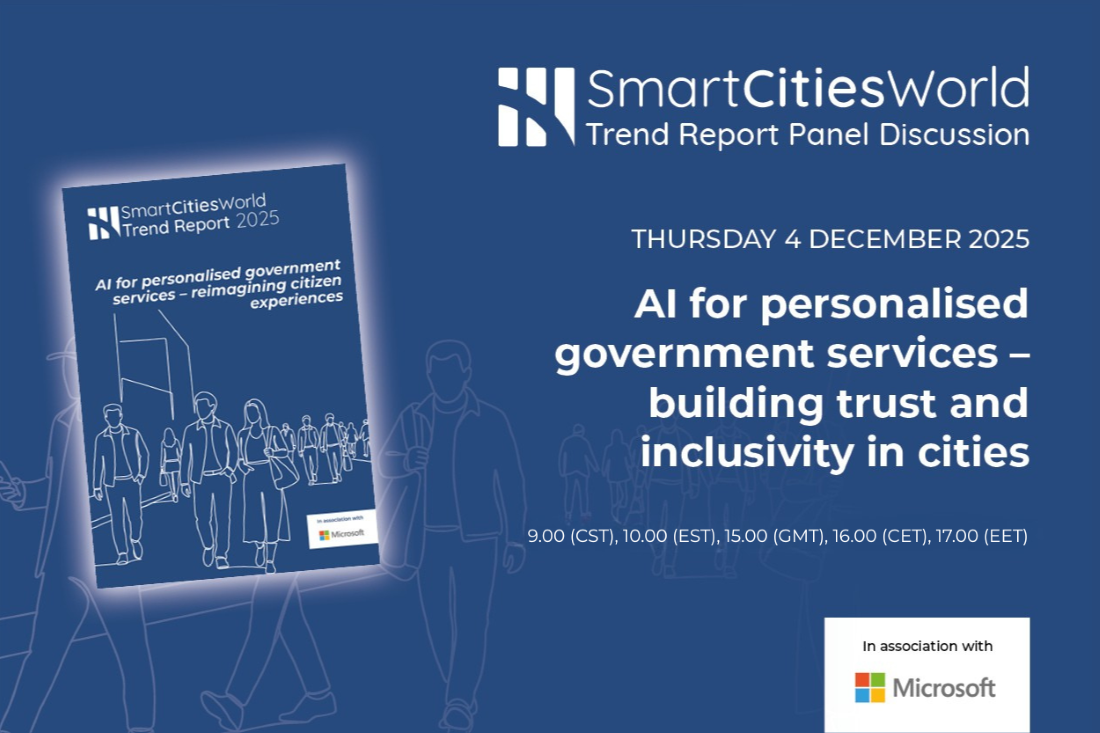
Exploring AI for Personalized Government Services
In the rapidly evolving landscape of urban governance, artificial intelligence (AI) is emerging as a transformative force. A recent panel discussion focused on the potential of AI in personalizing government services, emphasizing the importance of building trust and inclusivity within cities. The conversation brought together experts in the fields of technology and public administration to explore how AI can be utilized to enhance civic engagement and improve service delivery.
The Role of AI in Enhancing Civic Engagement
AI technologies are increasingly being deployed to create more responsive and personalized interactions between governments and citizens. By leveraging data analytics and machine learning, governments can tailor services to meet the specific needs of diverse communities. This personalized approach not only fosters greater trust between citizens and their governments but also encourages broader participation in civic life.
During the discussion, panelists highlighted several case studies where AI has been successfully implemented to improve service delivery. For example, predictive analytics can be used to anticipate community needs, allowing governments to allocate resources more effectively. Furthermore, chatbots and virtual assistants are being utilized to provide immediate support to citizens, streamlining access to information and services.
Building Trust Through Transparency
Trust is a crucial component of effective governance, and the panel underscored the need for transparency in AI processes. Citizens are more likely to embrace AI-driven services when they understand how their data is being used and how decisions are made. The discussion emphasized the importance of establishing clear guidelines and ethical standards for AI applications in government.
Panelists proposed the implementation of open data initiatives, where citizens can access information about AI algorithms and their impacts. By fostering an environment of transparency, governments can empower citizens to engage with AI technologies and contribute to the decision-making processes that affect their lives.
Inclusivity in AI Solutions
A key focus of the discussion was on ensuring that AI solutions are inclusive and accessible to all citizens. As cities become increasingly diverse, it is essential that AI systems are designed to accommodate various languages, cultural contexts, and accessibility needs. The panelists advocated for the involvement of community representatives in the development of AI-driven services to ensure that these solutions reflect the voices of all citizens.
Moreover, the panel highlighted the risks of bias in AI algorithms, which can perpetuate inequalities if not addressed. Experts stressed the importance of conducting thorough audits of AI systems to identify and mitigate biases that could impact marginalized communities. By prioritizing inclusivity, governments can create AI solutions that enhance the quality of life for all city residents.
Future Perspectives on AI in Urban Governance
The potential for AI to revolutionize urban governance is immense, but it also presents challenges that must be navigated carefully. The panel concluded with a discussion on the future of AI in government services, emphasizing the need for ongoing dialogue between technologists, policymakers, and citizens. Collaborative efforts will be essential to harness AI's capabilities while ensuring ethical standards are upheld.
As cities continue to grow and evolve, integrating AI into government services can lead to smarter, more efficient, and more equitable urban environments. By prioritizing trust and inclusivity, governments can leverage AI to not only enhance service delivery but also strengthen the fabric of civic engagement in our increasingly complex societies.
Source: Smart Cities World News