

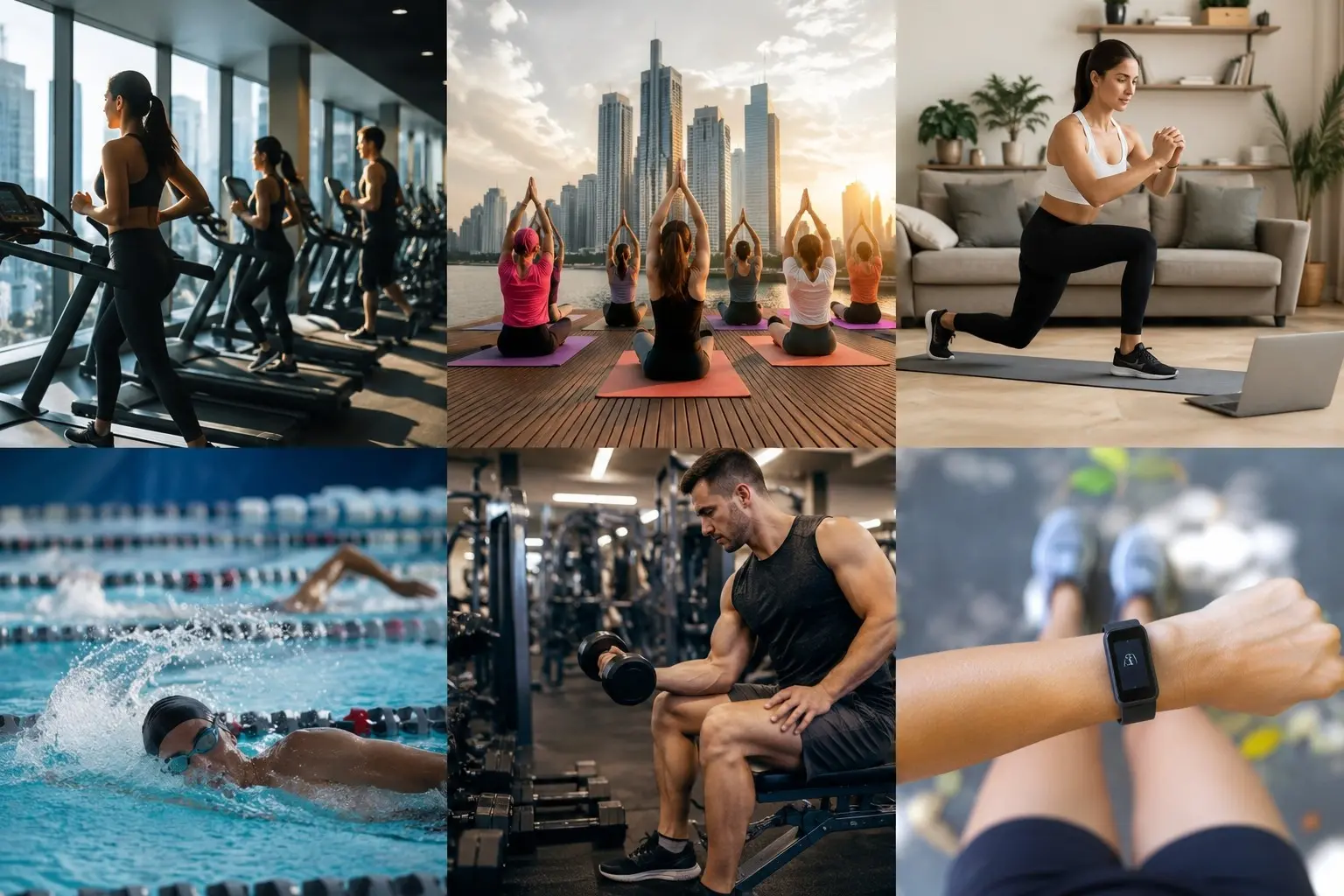
Research findings about fitness trends across global industries show that health and wellness are no longer limited to gyms or sports brands. Fitness now influences workplace culture, technology development, healthcare systems, tourism, retail, education, and even corporate investment decisions worldwide.
Research findings about fitness trends across global industries reveal that consumers increasingly prioritize physical health, mental wellness, personalized training, wearable technology, and flexible fitness experiences. Businesses adapting to these trends are seeing stronger customer engagement, brand loyalty, and long-term market growth.
Research findings about fitness trends across global industries highlight a major cultural shift that’s happening almost everywhere right now. Fitness used to feel like a niche lifestyle choice for athletes or health enthusiasts. That’s changed dramatically.
People now connect fitness with productivity, mental health, stress management, confidence, longevity, and even career performance. Companies noticed this shift quickly.
Here’s the thing. Modern consumers don’t just buy products anymore. They buy habits, routines, identity, and lifestyle alignment. Fitness trends sit directly in the middle of that transformation.
I've seen businesses completely rethink their marketing and product strategies because wellness expectations became impossible to ignore. Honestly, that change is probably still accelerating.
What Is Research Findings About Fitness Trends Across Global Industries?
Research findings about fitness trends across global industries refer to studies, market observations, and consumer behavior analysis focused on how health and wellness habits influence industries worldwide.
Definition Box
Fitness Trends: Evolving behaviors, technologies, services, and consumer preferences related to physical health, exercise, wellness, and performance improvement.
This topic covers much more than workout routines.
Technology companies develop wearable devices. Employers create wellness programs. Hospitality brands design fitness-centered travel experiences. Healthcare providers increasingly encourage preventative wellness strategies.
Fitness became an economic force.
What most people overlook is that fitness trends often reflect deeper social changes involving stress, work-life balance, digital lifestyles, and aging populations.
That bigger picture matters.
Why Fitness Trends Matter in 2026
Research findings about fitness trends across global industries matter even more in 2026 because consumer priorities are shifting toward long-term health optimization rather than short-term fitness goals.
People want sustainable wellness now.
Quick transformations and extreme fitness culture still exist online, obviously. But broader consumer behavior is moving toward balance, recovery, mobility, mental wellness, and personalized health tracking.
That’s a meaningful shift.
Expert Tip
Businesses entering the wellness space should focus on long-term lifestyle improvement instead of unrealistic transformation promises. Consumers are becoming more skeptical of exaggerated claims.
Technology also plays a huge role here.
Fitness apps, smart watches, AI-driven coaching systems, virtual workouts, and digital wellness communities are reshaping how people approach health daily.
Honestly, I think many companies underestimated how emotionally connected consumers would become to wellness-focused products and services.
Health now influences purchasing decisions across industries.
Why Global Industries Are Investing in Fitness and Wellness
Businesses increasingly invest in wellness because healthier consumers often spend differently, behave differently, and engage more consistently with brands.
That creates economic opportunity.
Corporate Wellness Programs Are Expanding
Employers increasingly support fitness memberships, mental wellness tools, flexible schedules, and preventative health initiatives.
Healthier employees often show improved productivity and reduced burnout.
Technology Companies See Long-Term Demand
Wearable fitness devices, health tracking software, and digital wellness platforms continue attracting large consumer audiences.
Consumers want measurable progress.
Healthcare Is Becoming Preventative
Healthcare systems increasingly emphasize preventative wellness rather than only reactive treatment models.
Fitness supports that shift naturally.
Hospitality and Tourism Adapted
Hotels, resorts, and travel brands increasingly promote wellness experiences, fitness amenities, and active travel packages.
Travel behavior changed quite a bit after global health disruptions.
How Technology Is Reshaping Fitness Trends
Technology transformed fitness faster than many experts expected.
Workout experiences are no longer limited to physical gyms.
People exercise through livestreams, virtual communities, AI coaching platforms, wearable tracking devices, and mobile applications from almost anywhere.
That convenience changed participation rates.
Wearable Technology Drives Engagement
Fitness watches and health trackers encourage daily movement by making progress visible and measurable.
Small metrics influence behavior more than people realize.
AI Coaching Is Growing
Personalized workout recommendations and digital coaching systems continue improving rapidly.
Users increasingly expect customized experiences.
Virtual Fitness Communities Create Motivation
Online communities help people stay accountable and connected through shared wellness goals.
That social aspect matters more than many businesses initially thought.
Data-Based Health Decisions Are Increasing
Consumers now track sleep, heart rate, stress levels, calories, recovery, and activity patterns regularly.
Fitness became more analytical.
How to Adapt to Modern Fitness Trends Step by Step
1. Understand Consumer Lifestyle Changes
Study how audiences balance work, stress, wellness, and digital habits before developing products or services.
2. Prioritize Convenience
Fitness solutions succeed more often when they fit naturally into busy schedules.
Accessibility matters.
3. Integrate Technology Carefully
Technology should simplify wellness experiences rather than overwhelm users with unnecessary complexity.
4. Focus on Personalization
Consumers increasingly expect customized fitness recommendations, flexible options, and adaptable wellness solutions.
5. Build Long-Term Community
People stick with wellness habits more consistently when social support and accountability exist.
Expert Tip
Retention usually matters more than rapid growth in wellness businesses. Loyal communities create stronger long-term business stability.
Common Misconception About Fitness Trends
A common misconception is that fitness trends only matter to younger consumers.
That’s not accurate anymore.
Older demographics increasingly invest in mobility training, preventative health programs, recovery tools, and wellness-focused experiences.
Fitness became broader and more inclusive.
I've noticed something interesting recently. Many wellness companies actually perform better when they market sustainable health improvements rather than aggressive transformation messaging.
Consumers seem exhausted by unrealistic expectations.
That’s probably healthier overall.
The Counterintuitive Shift Happening in Fitness
Here’s something unexpected.
Rest and recovery are becoming as marketable as intense workouts.
A decade ago, fitness marketing focused heavily on pushing harder constantly. Now consumers care more about sleep quality, recovery tracking, flexibility, stress management, and sustainable routines.
That shift says a lot about modern lifestyles.
People feel overwhelmed already.
Fitness trends increasingly reflect emotional wellness alongside physical health.
Real-World Example: Workplace Wellness Evolution
Imagine a large technology company struggling with employee burnout and rising healthcare costs.
Instead of only offering gym memberships, the company introduces flexible wellness programs including mental health support, virtual fitness classes, ergonomic workspace improvements, and recovery-focused wellness incentives.
Within two years, employee satisfaction improves noticeably. Productivity rises. Staff turnover decreases.
This kind of wellness integration is becoming common globally.
Fitness trends now influence workplace strategy directly.
Why Consumers Want Personalized Wellness Experiences
Modern consumers expect personalization almost everywhere now.
Fitness is no exception.
People want programs aligned with their schedules, body types, health conditions, skill levels, and personal goals.
Generic approaches feel outdated.
Flexible Fitness Models Are Winning
Subscription-based wellness platforms and hybrid fitness experiences continue growing because they allow consumers greater flexibility.
Mental Wellness Became Central
Meditation, stress reduction, sleep improvement, and emotional balance increasingly connect with fitness branding.
Community Creates Loyalty
Consumers often stay loyal to wellness brands offering emotional support and community connection alongside physical results.
That emotional factor matters a lot.
How Fitness Trends Influence Global Business Strategies
Fitness trends affect industries beyond health and sports.
Retail and Fashion
Athleisure and wellness-focused fashion remain highly influential in consumer markets.
Comfort and functionality became mainstream priorities.
Food and Beverage
Consumers increasingly look for healthier ingredients, functional foods, and wellness-oriented nutrition products.
Real Estate
Residential developments now include wellness amenities, fitness centers, walking spaces, and community health features.
Education and Corporate Training
Schools and employers increasingly discuss mental health, movement, and wellness as part of productivity and performance conversations.
Expert Tip
Companies entering wellness markets should avoid copying trends blindly. Long-term success usually comes from solving real consumer frustrations consistently.
Why Mental Wellness Is Connected to Fitness Trends
Mental wellness and physical fitness are becoming deeply connected in consumer behavior.
People no longer separate them as clearly as they once did.
Exercise is increasingly viewed as stress management, emotional regulation, and productivity support alongside physical health.
That mindset shift changed marketing language significantly.
In my experience, wellness brands focusing only on appearance-based messaging may struggle long-term compared to businesses promoting energy, confidence, longevity, and overall quality of life.
Consumers want balance now.
Not constant pressure.
How Social Media Influences Fitness Trends
Social media dramatically accelerated global fitness awareness.
People now discover workout routines, nutrition advice, wellness communities, and health trends through creators and digital platforms constantly.
That visibility shapes consumer behavior quickly.
But there’s also a downside.
Unrealistic expectations and comparison culture sometimes create unhealthy pressure around wellness.
Honestly, I think future fitness trends will move toward authenticity partly because audiences are getting tired of impossible standards online.
That correction already seems to be happening.
Why Sustainability Is Entering the Fitness Industry
Sustainability increasingly affects fitness businesses too.
Consumers now pay attention to product sourcing, eco-friendly materials, sustainable manufacturing, and environmental responsibility.
Fitness brands adapting early may build stronger long-term trust.
This shift influences apparel, equipment manufacturing, nutrition products, and wellness facilities alike.
People Most Asked About Research Findings About Fitness Trends Across Global Industries
What are the biggest global fitness trends right now?
Wearable technology, personalized wellness, mental health integration, hybrid fitness experiences, recovery-focused routines, and digital fitness platforms remain major trends globally.
Why are businesses investing more in wellness?
Health-conscious consumers increasingly influence spending behavior, workplace expectations, and brand loyalty across industries.
How does technology affect fitness trends?
Technology improves personalization, convenience, tracking, virtual coaching, and community engagement through apps, wearables, and AI-based systems.
Are fitness trends only relevant for younger audiences?
No. Older consumers increasingly participate in wellness programs focused on mobility, longevity, recovery, and preventative health.
Why is mental wellness connected to fitness now?
Consumers increasingly view physical activity as supporting stress reduction, emotional balance, productivity, and overall quality of life.
How does social media shape fitness culture?
Social platforms accelerate trend visibility, community building, creator influence, and consumer awareness regarding health and wellness behaviors.
Will digital fitness continue growing?
Most likely, yes. Convenience, flexibility, and personalized experiences continue driving digital wellness adoption worldwide.
Final Thoughts
Research findings about fitness trends across global industries reveal something bigger than exercise habits alone. Wellness became deeply connected to modern work culture, technology adoption, consumer identity, mental health, and economic behavior.
That shift changed entire industries.
I've watched wellness evolve from a side category into a central business strategy discussion across technology, healthcare, hospitality, education, and retail sectors. Companies ignoring that change may struggle to stay relevant long-term.
People want healthier lives.
Businesses want healthier customers and employees.
And fitness trends now sit directly between those two goals.
Businesses looking to improve brand visibility, SEO ranking, and organic traffic can benefit from PR Business Wires and Rank Locally UK through trusted business press release services, local SEO services, and digital marketing company solutions. These platforms help startups, agencies, bloggers, and SEO professionals secure high authority backlinks, wider media coverage, and instant publishing opportunities for scalable online growth.