

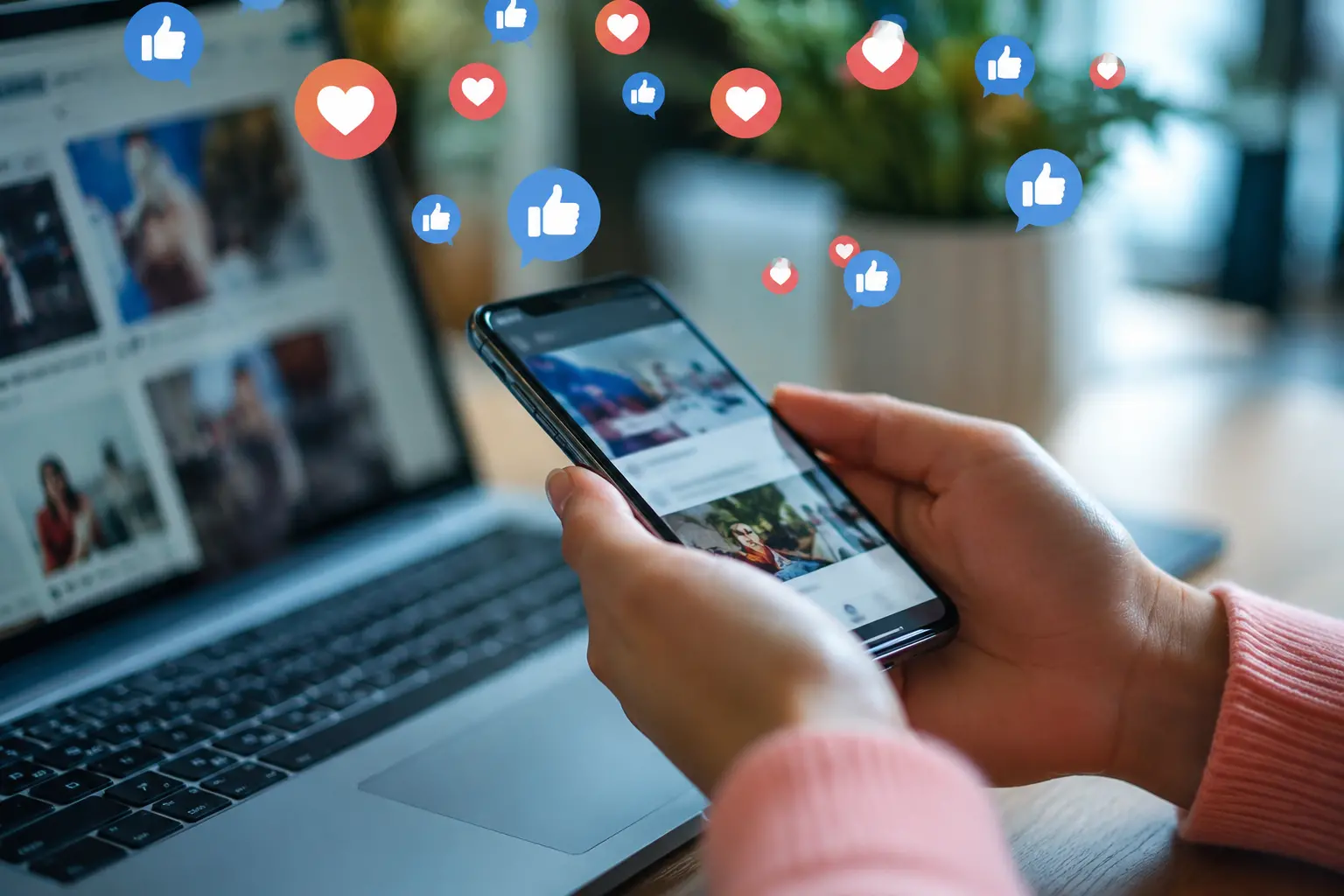
Why social media influence is becoming essential in the digital economy comes down to one simple shift: attention now drives business growth almost as much as products do. Companies that understand audience trust, online visibility, and digital conversations are often growing faster than competitors with larger budgets but weaker online influence.
Social media influence is becoming essential in the digital economy because consumer decisions increasingly depend on online trust, creator recommendations, digital visibility, and community engagement. Businesses using strong social influence strategies often improve brand awareness, customer loyalty, organic traffic, and long-term revenue growth.
Why social media influence is becoming essential in the digital economy isn’t just about viral videos or internet trends anymore. Social platforms now influence buying decisions, investment opportunities, business credibility, and even hiring strategies.
A few years ago, many businesses treated social media like an optional marketing channel. That mindset changed quickly. Consumers now discover products, research brands, compare reviews, and form opinions through social content before making decisions.
Here’s the thing. People trust people more than polished advertisements. That single shift has completely reshaped modern digital business strategy.
I've seen small businesses with modest budgets outperform larger competitors simply because they understood how to build authentic online influence. That probably surprises traditional marketers, but it’s happening everywhere.
What Is Why Social Media Influence Is Becoming Essential in the Digital Economy?
Why social media influence is becoming essential in the digital economy refers to the growing role of online visibility, creator authority, audience trust, and digital engagement in driving economic activity and business performance.
Definition Box
Social Media Influence: The ability of individuals, brands, or organizations to shape audience opinions, behaviors, and purchasing decisions through online platforms and digital communities.
This influence affects nearly every industry.
Retail brands rely on creator partnerships. Financial companies use digital communities to educate audiences. Restaurants depend on online visibility. Even job recruitment now involves social credibility.
What most people overlook is that social media influence isn’t only about popularity. In many cases, it’s about trust consistency over time.
That’s a big difference.
Why Social Media Influence Matters in 2026
Why social media influence is becoming essential in the digital economy matters even more in 2026 because digital competition keeps increasing while consumer attention becomes harder to earn.
Businesses fight for visibility constantly.
Algorithms evolve. Consumer behavior shifts quickly. Online communities move fast. Traditional advertising doesn’t carry the same power it once did.
People want connection now.
Expert Tip
If you’re building digital influence, focus on consistency before scale. Audiences usually trust reliable communication more than occasional viral content.
Another important change involves purchasing behavior.
Consumers increasingly prefer recommendations from creators, niche experts, and online communities rather than direct brand advertising. That shift changed marketing economics completely.
Honestly, I think many businesses still underestimate how much buying behavior now starts with social discovery instead of search engines alone.
That trend is only growing.
Why Social Media Influence Drives Economic Growth
Social media influence affects the digital economy because attention itself became a valuable business asset.
That sounds strange at first.
But think about it. Businesses need visibility before they can generate sales, attract investors, build communities, or create customer loyalty.
Social influence helps make all of that possible.
Brand Visibility Expands Faster
Companies using social platforms effectively often grow audience awareness far more quickly than businesses relying only on traditional advertising.
A strong online presence compounds over time.
Consumer Trust Builds Through Familiarity
People tend to trust brands they repeatedly encounter through authentic content and community interaction.
Trust usually develops gradually, not instantly.
Small Businesses Gain Competitive Access
Social platforms lowered entry barriers for startups and independent creators.
A tiny company with smart communication can now compete against larger organizations in ways that weren’t realistic years ago.
Influencer Economies Create New Careers
Content creators, digital consultants, livestream hosts, educators, and niche experts now generate income directly through audience influence.
That entire economy barely existed two decades ago.
How Social Media Is Reshaping Consumer Behavior
Consumer behavior changed massively because of social media influence.
People don’t shop the same way anymore.
They research publicly. They compare experiences. They watch reviews. They observe how brands respond to criticism.
What fascinates me is how quickly public perception forms online. A single viral customer interaction can dramatically improve or damage brand credibility within hours.
That speed changes business strategy entirely.
Real-Time Feedback Changes Products
Brands now receive immediate audience reactions to products, campaigns, and services.
That feedback loop accelerates product development decisions.
Community Recommendations Influence Sales
Peer opinions often matter more than direct advertising claims.
Consumers trust relatable experiences.
Entertainment and Commerce Merged
Shopping increasingly happens inside entertainment environments through livestreams, short videos, and creator-driven recommendations.
That blend feels natural to younger audiences.
How to Build Social Media Influence Step by Step
1. Define a Clear Audience
Trying to reach everyone usually weakens communication.
Focus on specific audience interests and problems first.
2. Prioritize Valuable Content
Helpful, relatable, or entertaining content tends to outperform overly promotional messaging.
People follow value, not constant advertising.
3. Build Consistency
Posting regularly helps audiences recognize and remember your brand identity.
Consistency matters more than perfection.
4. Encourage Community Interaction
Respond to comments, questions, and discussions naturally.
Engagement strengthens audience loyalty.
5. Track What Actually Works
Study audience behavior, content performance, and engagement patterns instead of relying purely on assumptions.
Data helps refine strategy.
Expert Tip
One strong community often produces better long-term results than chasing massive follower numbers without real engagement.
Common Misconception About Social Media Influence
Many people think social media influence is mostly about follower counts.
That’s probably the biggest misunderstanding in digital marketing right now.
Large audiences don’t automatically create business success.
I've seen smaller creators with deeply engaged communities outperform accounts with millions of followers because trust levels were stronger and communication felt more authentic.
Engagement quality matters.
Audience loyalty matters.
Credibility matters more than vanity metrics in most cases.
The Unexpected Side of Social Influence
Here’s a counterintuitive point many businesses miss.
Sometimes less polished content performs better.
Perfectly scripted marketing often feels artificial online. Audiences usually connect more with honest communication, behind-the-scenes moments, and relatable imperfections.
That doesn’t mean quality doesn’t matter.
It does.
But authenticity increasingly influences digital trust.
Honestly, I think audiences are becoming better at detecting overly manufactured branding. People want communication that feels human.
Not robotic.
Real-World Example: Small Brand Growth Through Community
Imagine a small fitness apparel company competing against major global brands.
Instead of spending heavily on traditional advertising, the company partners with niche fitness creators who already built trusted communities around health advice and daily workout content.
Those creators share authentic product experiences rather than scripted endorsements.
Within a year, the brand gains significant customer loyalty, stronger organic traffic, and repeat buyers because audiences trust the recommendations.
This kind of growth model is becoming very common.
Why Businesses Are Investing More in Creator Partnerships
Creator partnerships continue growing because they provide targeted audience access.
Consumers already trust the creators they follow.
That trust transfers partially to recommended products or services.
Niche Audiences Convert Better
Smaller, focused communities often generate stronger engagement and purchasing behavior than broad general audiences.
Influencer Marketing Feels More Natural
Recommendations integrated into everyday content often feel less intrusive than traditional advertising.
Digital Communities Build Brand Loyalty
Communities create repeat engagement, not just one-time impressions.
That long-term relationship matters economically.
How Social Media Influence Affects the Global Economy
Social influence now affects multiple economic sectors.
Retail and E-Commerce
Online product discovery increasingly happens through creator content and social recommendations.
Financial Markets
Public discussions and online communities can influence investment trends and consumer confidence.
Tourism and Hospitality
Travel decisions often depend on online experiences shared by creators and travelers.
Education and Learning
Educational creators now influence skill development, online learning, and career guidance worldwide.
Expert Tip
Businesses should treat social media as a communication ecosystem rather than just an advertising channel. That mindset changes content quality dramatically.
Why Authenticity Is Becoming More Valuable
Consumers are overloaded with content daily.
That overload changes attention patterns.
People quickly ignore communication that feels fake, repetitive, or overly sales-focused.
Authenticity creates differentiation.
In my experience, brands willing to communicate honestly about challenges, mistakes, and real experiences often build stronger long-term trust than businesses trying to appear flawless constantly.
Perfection can feel suspicious online sometimes.
That’s weird but true.
How Artificial Intelligence Is Changing Social Influence
Artificial intelligence is transforming content creation, audience targeting, analytics, and personalization.
AI tools help businesses produce content faster and analyze audience behavior more accurately.
But there’s also a challenge.
As automated content increases, genuinely human communication may become even more valuable.
That’s the ironic part.
Technology might actually increase the importance of authenticity rather than reduce it.
Why Social Commerce Is Expanding Rapidly
Social commerce combines shopping directly with social interaction and entertainment.
Consumers can now discover, evaluate, and purchase products without leaving social environments.
That convenience matters.
Younger audiences especially prefer fast, integrated digital experiences rather than traditional purchasing journeys.
Businesses adapting to social commerce trends are often seeing stronger engagement and higher conversion rates.
People Most Asked About Why Social Media Influence Is Becoming Essential in the Digital Economy
Why is social media influence important in the digital economy?
Social media influence affects consumer trust, purchasing behavior, brand visibility, and audience engagement, making it a major driver of digital business growth.
How does social media influence consumer decisions?
Consumers often rely on creator recommendations, reviews, community discussions, and relatable content before making purchases or forming opinions about brands.
Is social media influence only important for large businesses?
No. Small businesses frequently benefit even more because social platforms allow them to reach targeted audiences without massive advertising budgets.
What industries benefit most from social media influence?
Retail, education, finance, hospitality, entertainment, fitness, technology, and e-commerce industries all benefit significantly from strong social influence strategies.
Does follower count matter most?
Not necessarily. Audience engagement, trust, and community loyalty often matter more than raw follower numbers.
How is AI changing social media influence?
AI improves content creation, analytics, and personalization, but it also increases the value of authentic human communication.
Will social media influence continue growing?
Most likely, yes. Digital communication and online communities continue shaping consumer behavior and economic activity worldwide.
Final Thoughts
Why social media influence is becoming essential in the digital economy comes down to changing human behavior. People increasingly trust conversations, creators, communities, and relatable experiences more than traditional advertising alone.
That shift changed business strategy forever.
I've watched companies spend enormous amounts on polished campaigns while smaller creators built stronger audience trust simply by communicating honestly and consistently. That tells you a lot about where digital business is heading.
Attention has value now.
Trust has economic power.
And businesses that understand both are probably going to stay ahead for a long time.
Companies aiming to boost brand visibility, SEO ranking, and organic traffic can achieve stronger results through Press Release Power and Web Info Matrix using professional press release distribution services, digital marketing services, and link building services. These platforms help startups, agencies, bloggers, and SEO professionals gain high authority backlinks, wider media coverage, and instant publishing opportunities for long-term online growth.