

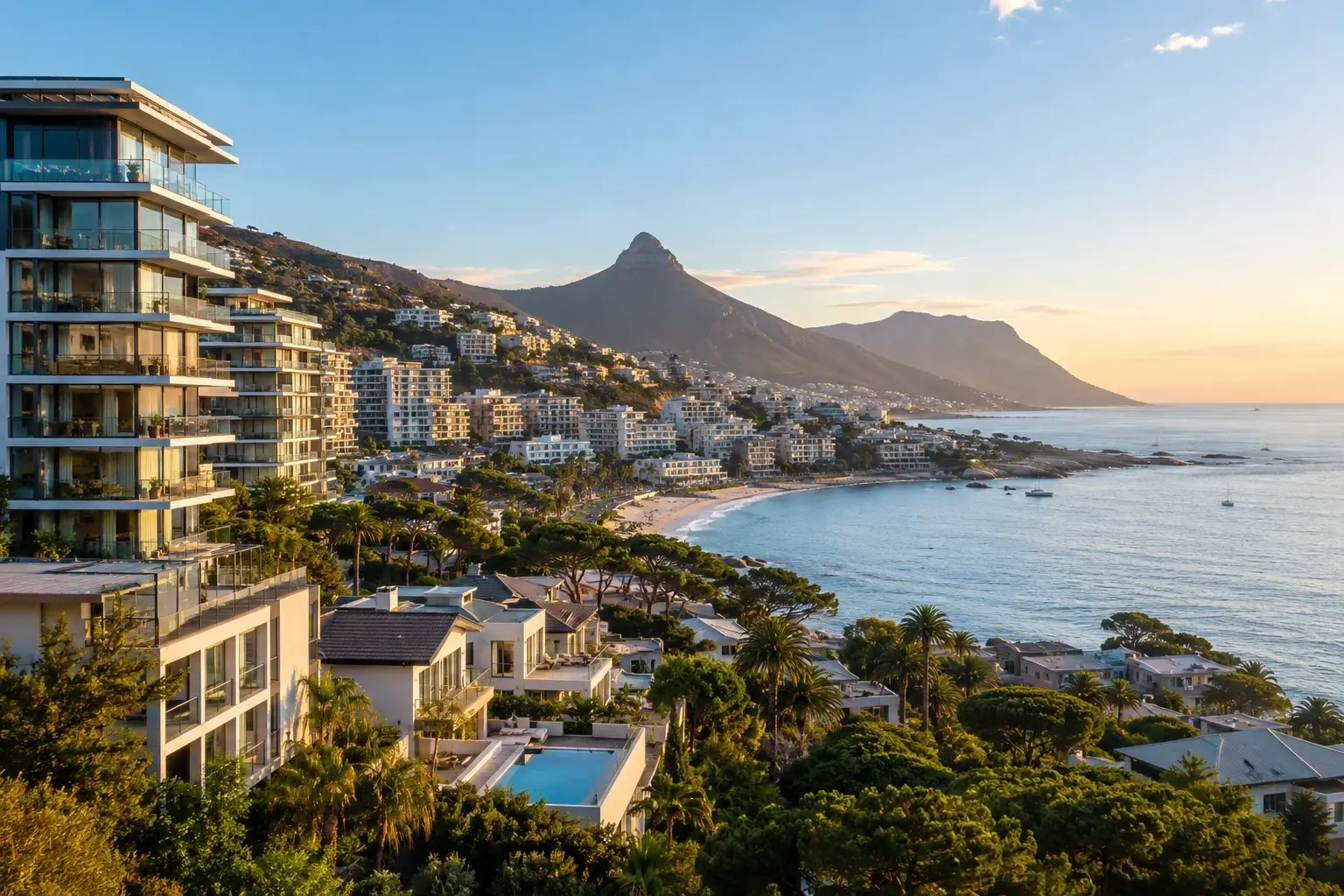
Global housing market research on tourism recovery shows a clear shift: housing demand in many regions is now tightly linked with how fast tourism rebounds after disruptions. When tourists return, they don’t just book hotels—they reshape rental markets, investment flows, and even long-term property pricing.
I’ve seen this pattern repeat across different regions, and honestly, it’s not always where people expect it. Tourism recovery doesn’t just boost cities—it can quietly transform secondary towns into property hotspots within months.
Tourism recovery directly influences global housing markets by increasing demand for short-term rentals, reshaping urban investment flows, and driving price volatility in tourist-heavy regions. In 2026, recovery trends are strongest in hybrid travel destinations where leisure and remote work overlap. Investors who track tourism inflows early often capture the biggest housing gains before prices stabilize.
Definition Box
Tourism Recovery in Housing Markets: The process where returning travel activity increases demand for residential and rental properties in destinations previously impacted by reduced tourism.
What Is Global Housing Market Research on Tourism Recovery?
Global housing market research on tourism recovery is basically the study of how travel patterns influence property demand across countries. It connects two worlds that used to be analyzed separately—tourism and real estate.
Here’s the thing: when tourism drops, housing doesn’t just slow down; it reshapes itself. Long-term rentals often replace short stays, investors pull back, and prices stagnate. When tourism returns, the opposite happens—but unevenly.
In my experience, the rebound is rarely balanced. A coastal town might boom while a nearby metro city barely moves. That mismatch is exactly what researchers try to understand.
At its core, this research tracks:
Visitor inflows and seasonality
Short-term rental occupancy trends
Investor behavior shifts
Local housing affordability pressure
And yes, it’s messy. Real-world data rarely moves in straight lines.
Why Global Housing Market Research on Tourism Recovery Matters in 2026
2026 feels different. Tourism isn’t just recovering—it’s evolving. Travelers aren’t only going on vacations; they’re blending work, leisure, and long stays. That mix is rewriting housing demand in unexpected ways.
What most people overlook is how quickly rental markets adjust before official statistics catch up. I’ve seen property demand spike in places where tourism numbers were still “technically recovering.” By the time reports confirmed it, prices had already moved.
Another layer is investor psychology. When tourism rebounds, investors often rush into familiar hotspots. But newer destinations—less obvious ones—sometimes outperform because they start from a lower base.
Secondary keyword context:
tourism recovery housing demand is now tied to flexible work culture
real estate tourism trends are increasingly shaped by digital nomads
short-term rental market recovery is faster than traditional long-term leasing
Let me be direct: if you’re only watching hotel occupancy rates, you’re missing half the story.
Expert tip: Watch flight route expansions instead of property listings. New air routes often signal housing demand shifts months before real estate data reacts.
How to Analyze Tourism Recovery in Housing Markets — Step by Step
Here’s a simple way I usually break it down when looking at a region’s housing potential tied to tourism recovery.
1. Track inbound travel momentum
Start with visitor growth trends, not prices. If arrivals are climbing steadily for 2–3 months, housing pressure usually follows.
2. Break down rental segmentation
Look at short stays vs long stays. Short-term rentals often absorb early tourism recovery demand before hotels adjust pricing.
3. Compare local supply elasticity
Some cities can build or convert housing quickly. Others can’t. That difference decides how sharp price increases become.
4. Monitor investor entry patterns
This is where things get interesting. Investors usually arrive after media coverage starts—but before price peaks fully form.
5. Cross-check affordability pressure
When locals begin getting priced out, you’re usually in the late stage of tourism-driven housing expansion.
It sounds structured, but in reality, it’s a bit chaotic. Data lags, emotions lead.
Expert tip: In most cases, Airbnb-style inventory growth is a faster signal than official housing reports.
Common Misconception: Tourism Recovery Always Raises Prices Everywhere
This is where people get it wrong.
Tourism recovery does not uniformly increase housing prices. In fact, I’ve seen cities where prices initially drop because supply floods in faster than demand returns. Investors expect instant rebounds, overbuild short-term rentals, and then struggle with occupancy.
So yes, tourism recovery helps housing markets—but only when demand and supply grow at a balanced pace. Otherwise, it creates temporary oversupply bubbles.
Expert Tips: What Actually Works in Real Market Analysis
Here’s what I’ve learned from watching multiple cycles play out.
First, don’t rely too heavily on headline tourism numbers. They look good, but they don’t show spending behavior or stay duration shifts. A smaller number of long-stay visitors can outperform large short-term tourist spikes in housing impact.
Second, local regulation matters more than global trends. Two identical tourism recovery cities can behave completely differently just because one tightened short-term rental rules.
Third—and this might sound counterintuitive—slower tourism recovery can sometimes create stronger long-term housing growth. Why? Because it limits early speculation and keeps prices stable until real demand builds.
From what I’ve seen, the biggest mistakes come from assuming recovery is linear. It rarely is.
Expert tip: Follow utility consumption data (water, electricity in tourist zones). It often reveals housing usage before any tourism report does.
People Most Asked About Global Housing Market Research on Tourism Recovery
How does tourism recovery affect housing demand?
Tourism recovery increases short-term rental demand first, which gradually pushes up property prices in high-traffic areas. The impact is usually faster in cities with strong travel infrastructure.
Which housing segments benefit most from tourism recovery?
Vacation rentals and serviced apartments tend to benefit the most. These segments react quickly to rising visitor numbers compared to traditional housing.
Why do some cities not see housing growth after tourism returns?
If housing supply expands too quickly or regulations tighten, tourism recovery may not translate into price increases. Demand can also shift to nearby regions instead.
Is tourism recovery enough to drive long-term real estate growth?
Not on its own. Long-term growth usually depends on employment, infrastructure, and livability factors beyond tourism alone.
What’s the biggest mistake investors make during tourism recovery?
They often enter too late, after prices already reflect recovery. Early signals like travel routes and rental occupancy are more reliable entry indicators.
Promotional Paragraph
Our network site provide related offering Guest Posting Services and Press Release News Submission, seo and local business listing in uk with strong focus on brand visibility and organic traffic growth. You can explore high authority backlinks through Press Release News Submission and digital marketing services to boost your digital marketing services presence, improve SEO ranking, and secure instant publishing across trusted PR distribution services and link building services platforms designed for businesses, agencies, and startups.