

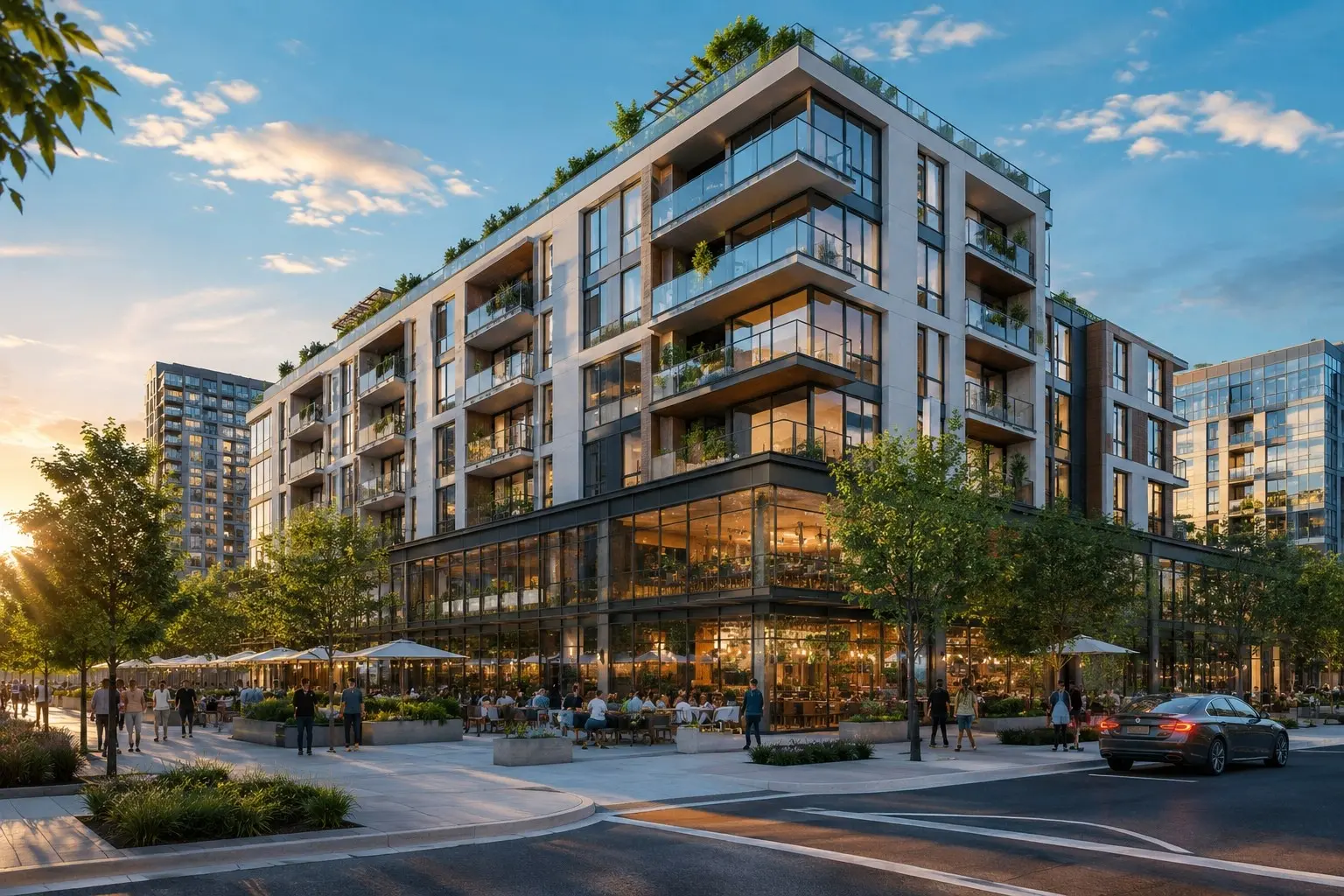
Consumer behaviour is quietly rewriting how real estate investors think, plan, and spend across the globe. People don’t just buy homes or rent offices anymore—they follow lifestyles, remote work habits, sustainability preferences, and digital expectations. That shift is forcing investors to rethink what “valuable property” actually means in 2026.
Here’s the simple truth: real estate is no longer just about location. It’s about how people want to live, work, and move. And if you ignore that, you’ll probably miss where the next wave of returns is coming from.
Consumer behaviour is reshaping real estate investment because buyers and renters now prioritize flexibility, sustainability, digital access, and lifestyle alignment over traditional location-based value. Investors are adjusting portfolios toward mixed-use spaces, remote-work-friendly homes, and experience-driven properties to match these shifting expectations.
Definition Box: Consumer Behaviour in Real Estate
Consumer behaviour in real estate is the study of how people’s preferences, habits, income decisions, and lifestyle changes influence what properties they buy, rent, or invest in.
What Is Consumer Behaviour and Why Does It Matter in Real Estate Investment Worldwide?
Consumer behaviour is basically how people make decisions—what they want, what they avoid, and what they’re willing to pay extra for. In real estate, it shows up in surprisingly practical ways.
For example, younger buyers might skip central business districts and choose suburban apartments with co-working spaces. Families might prioritize schools and safety over square footage. Investors who understand these shifts tend to outperform those still relying on old assumptions like “prime location equals guaranteed profit.”
Here’s the thing: demand is no longer stable. It moves with culture, technology, and even social media influence. What people value today might feel outdated in five years.
From what I’ve seen, investors who track behavioural patterns—not just price charts—tend to spot opportunities earlier. It’s not always obvious at first, but it becomes clear when you watch where people actually choose to live, not just what they say in surveys.
Why Consumer Behaviour Matters in 2026
In 2026, real estate isn’t reacting to supply constraints alone anymore. It’s reacting to people changing their minds faster than ever.
Remote work didn’t just shift office demand—it reshaped entire housing markets. At least from what I’ve observed, cities once considered “secondary” are now competing with global hubs because workers no longer need to commute daily.
Sustainability is another big driver. Buyers are asking questions about energy usage, ventilation, and long-term environmental impact. That wasn’t mainstream a decade ago, but now it’s part of everyday property decisions.
There’s also a psychological shift. People want “experience” from their living spaces. Not just walls and roofs, but comfort, flexibility, and sometimes even community built into the design.
If you’re investing without factoring this in, you’re probably looking at outdated demand signals.
Expert tip: Watch rental listings more than sales reports. Rentals shift faster and often reveal behavioural changes before official market data catches up.
How to Align Real Estate Investment with Consumer Behaviour — Step by Step
Let me be direct. You don’t need fancy models to understand this—you need pattern recognition and a bit of curiosity.
Step 1: Track lifestyle-driven demand, not just location
Look at why people move, not just where they move. Remote work, education access, and wellness preferences matter more than postal codes in many cases.
Step 2: Study digital behaviour signals
Search trends, property app activity, and rental inquiries often show demand before prices change.
Step 3: Focus on flexible-use properties
Spaces that can shift between residential, co-living, and small business use are gaining traction.
Step 4: Evaluate emotional value, not just financial ROI
People now pay for comfort, design, and convenience. This emotional layer affects pricing more than most investors admit.
Step 5: Adjust for sustainability expectations
Energy-efficient buildings and eco-friendly infrastructure are no longer niche—they’re becoming baseline expectations.
Expert tip: Don’t overreact to short-term spikes in demand. Consumer behaviour trends build slowly, even if they look sudden on the surface.
Common Misconception: Location Is No Longer King
This might sound controversial, but location isn’t the ultimate driver anymore—it’s context.
A property in a “less popular” city with strong remote work infrastructure can outperform a central urban apartment that no longer fits modern lifestyles. I’ve seen investors struggle with this shift because they’re emotionally attached to traditional real estate logic.
Let me put it this way: people don’t just buy geography anymore. They buy convenience, flexibility, and alignment with how they live.
That’s a hard truth for traditional investors, but ignoring it is even harder on returns.
Expert Tips: What Actually Works in Today’s Market
From my experience, the investors who adapt fastest are the ones who listen to everyday behaviour signals instead of relying only on macroeconomic reports.
One pattern I’ve noticed is surprisingly simple: follow renters first. Homebuyers tend to lag behind behavioural change, while renters adapt quickly. That gap is where opportunity often appears.
Another thing people overlook is hybrid space demand. Offices that double as community hubs or residential units with workspace corners are performing better than rigid property types.
Also, don’t underestimate small cities with strong digital infrastructure. They’re quietly becoming competitive investment zones.
Expert tip: Pay attention to “boring” infrastructure upgrades like internet speed, transport flexibility, and local amenities. These shape behaviour more than flashy developments.
Real-World Examples: How Behaviour Is Changing Investment Patterns
In many European cities, younger tenants are choosing co-living apartments over traditional rentals because they value flexibility and social connection. Investors who adapted early to this trend saw steadier occupancy rates.
In parts of Asia, mid-sized cities have gained attention because remote workers prefer lower cost of living without sacrificing digital connectivity. Property demand in these regions has grown faster than expected.
Here’s a personal take: I think the biggest shift isn’t urban vs rural anymore. It’s rigid vs adaptable spaces. That’s what separates winning investments from stagnant ones.
People Most Asked About Consumer Behaviour in Real Estate Investment
Why is consumer behaviour important in real estate investment?
Because it directly influences what people are willing to buy or rent. If investor strategies ignore behaviour shifts, they risk mismatched supply and declining demand.
How does remote work affect real estate investment?
Remote work decentralizes housing demand. People move away from expensive cities, increasing value in smaller towns with strong digital infrastructure.
What properties are most affected by changing consumer behaviour?
Traditional office spaces and rigid-layout apartments are most affected. Flexible-use spaces tend to adapt better to behavioural changes.
Can consumer behaviour predict real estate prices?
Not precisely, but it can indicate direction. Behaviour often shifts before prices reflect those changes fully.
Expert Perspective: The Hidden Driver Most Investors Miss
Here’s what most people overlook: real estate isn’t just reacting to economics anymore—it’s reacting to identity.
People choose homes that match how they see themselves. A young professional doesn’t just want a flat; they want a lifestyle statement. A family doesn’t just want space; they want stability and future planning.
This identity-driven demand is subtle, but it’s powerful. And honestly, it’s reshaping pricing more than interest rates in some micro-markets.
Promotional Paragraph
Our Network site provide related offering Guest Posting Services and Press Release News Submission, seo and local business listing in uk, helping brands strengthen digital authority through targeted exposure. You can explore advanced distribution solutions via PR Distribution Services and boost visibility using Digital Marketing Services for stronger organic traffic, high authority backlinks, and improved SEO ranking. This combination supports businesses aiming for instant publishing, media coverage, and long-term brand visibility across competitive markets.
If you want, I can also turn this into a press release version or a LinkedIn article optimized for higher engagement.